
The brand assets module
The materials a buyer holds.
Built, not translated.
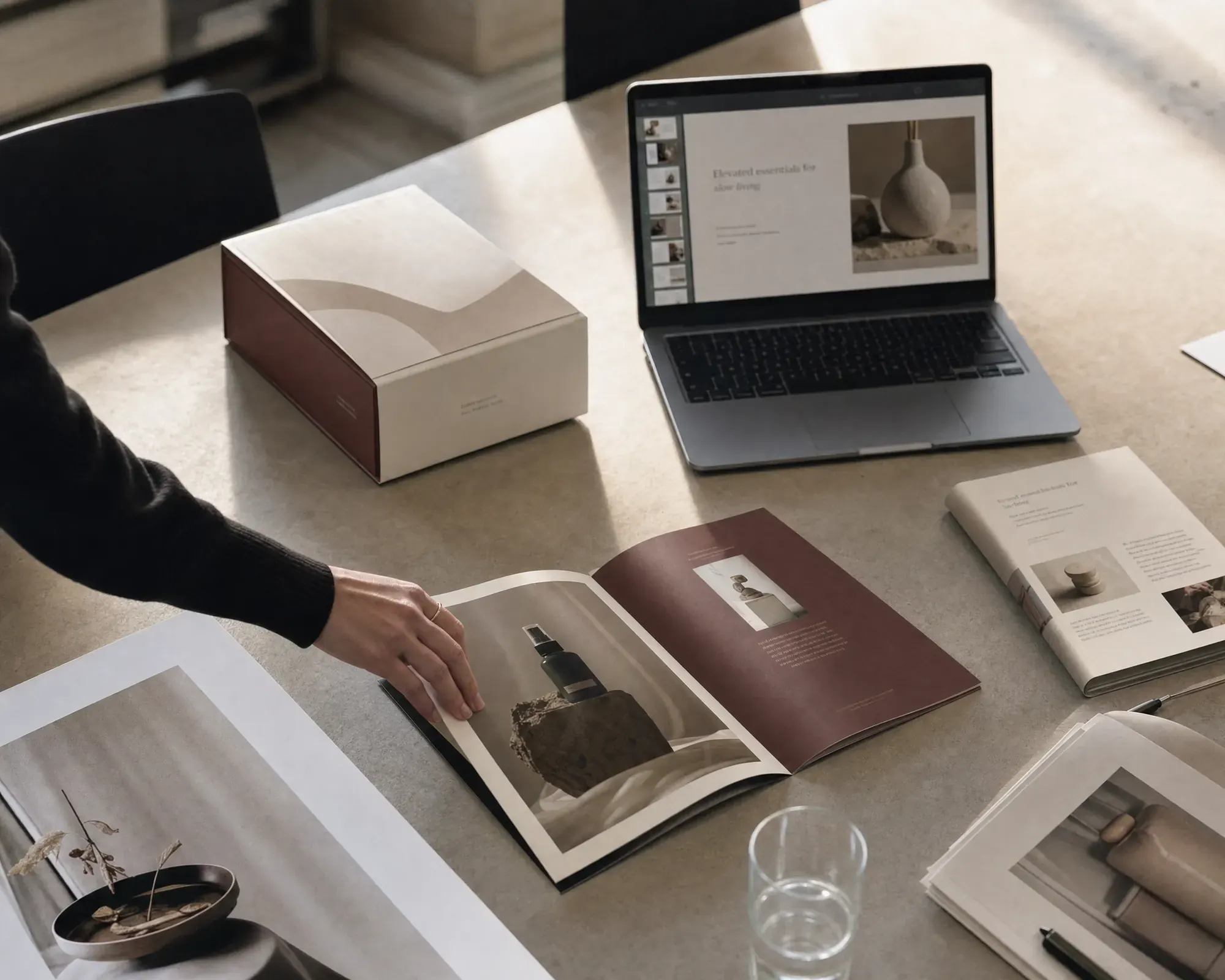
Strategy and a logo do not close deals. The brochure on the table does. The booth at the show does. The deck on the screen does. This is the brand a Western buyer touches.
Brochure·Booth·Deck
The brand a buyer can hold in his hands.
He never sees your strategy document. He sees these.
The work
The tells a buyer picks up fast.
The buyer can tell. The English is a little off, the photos look staged, the deck opens with twenty years of company history before it says what you sell. None of it is a product flaw, and all of it costs you the deal.
 Before
 After
After
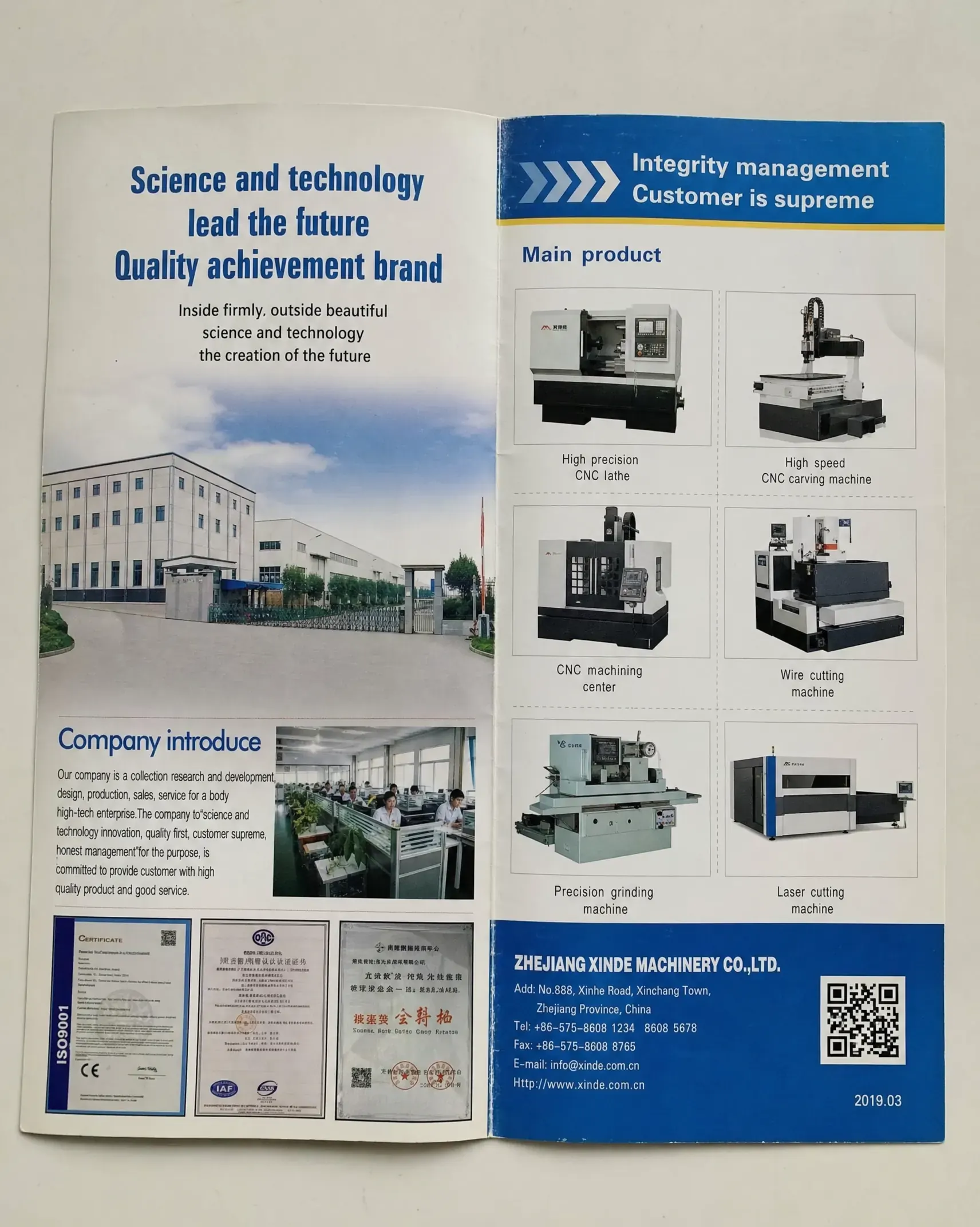
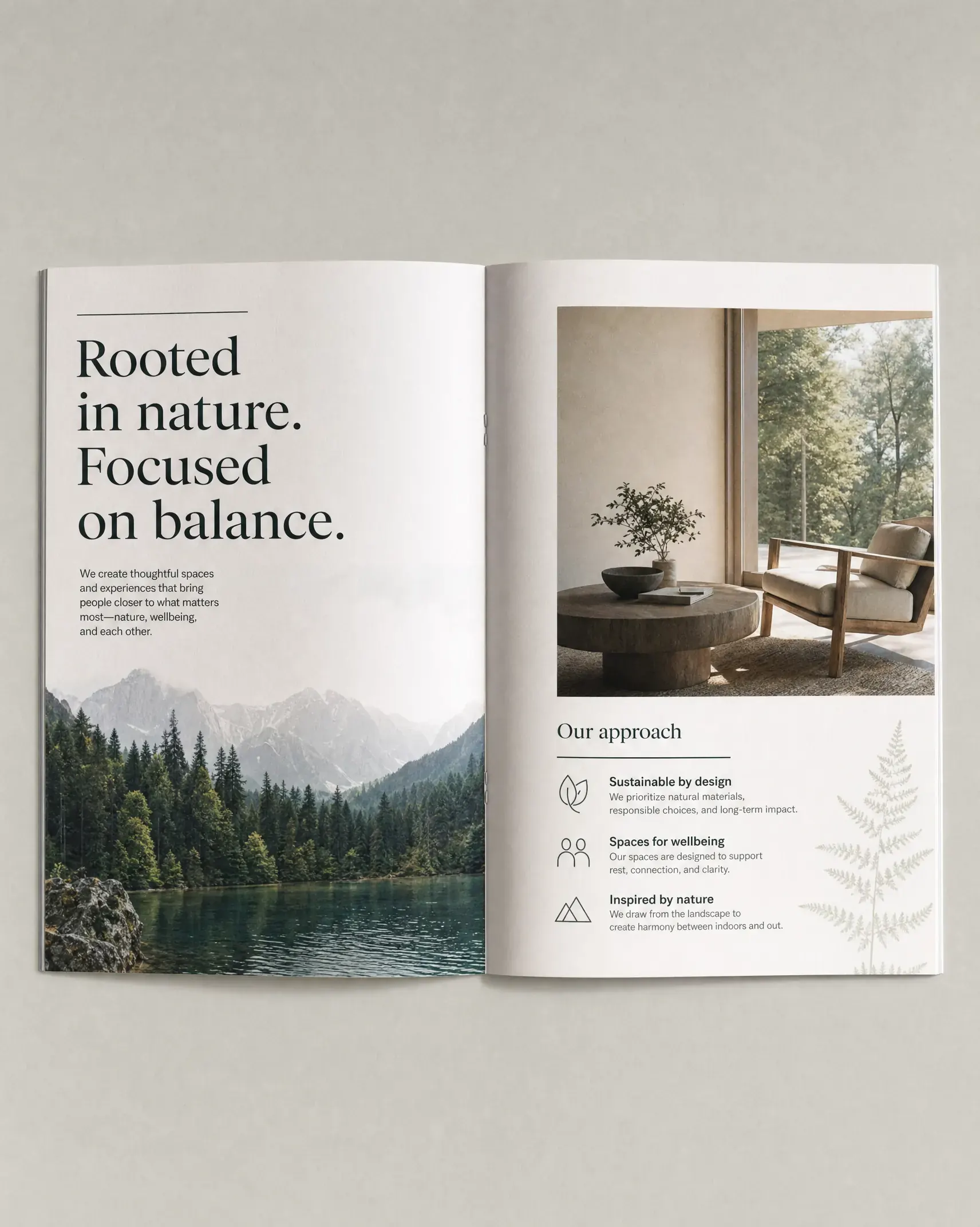
Chinglish on the page.
A brochure translated by a fluent staffer still reads as almost-right, and the buyer catches the odd word order, the strange phrase, the missing article. It does not make you look cheap. It makes you look careless.
 Before
 After
After
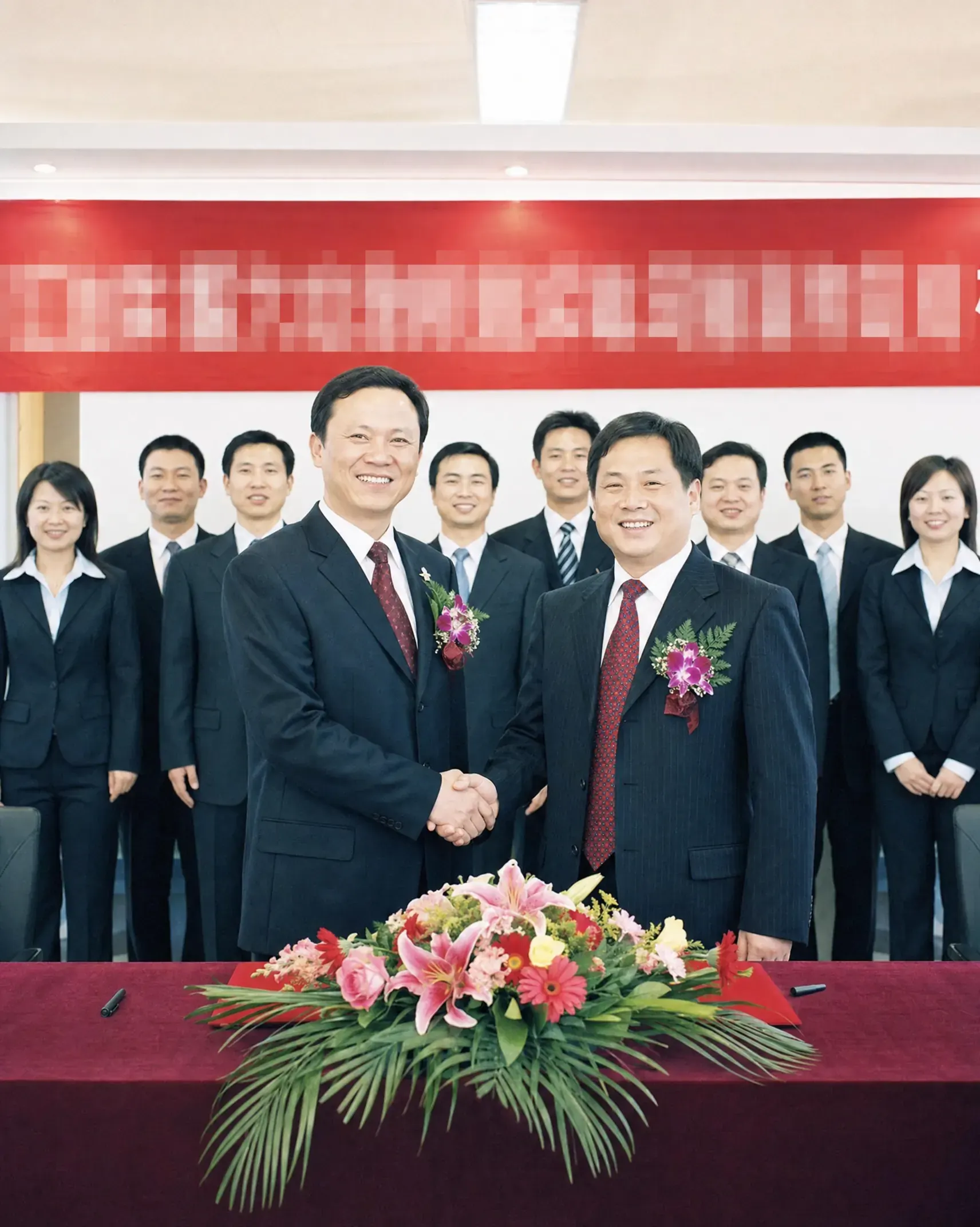
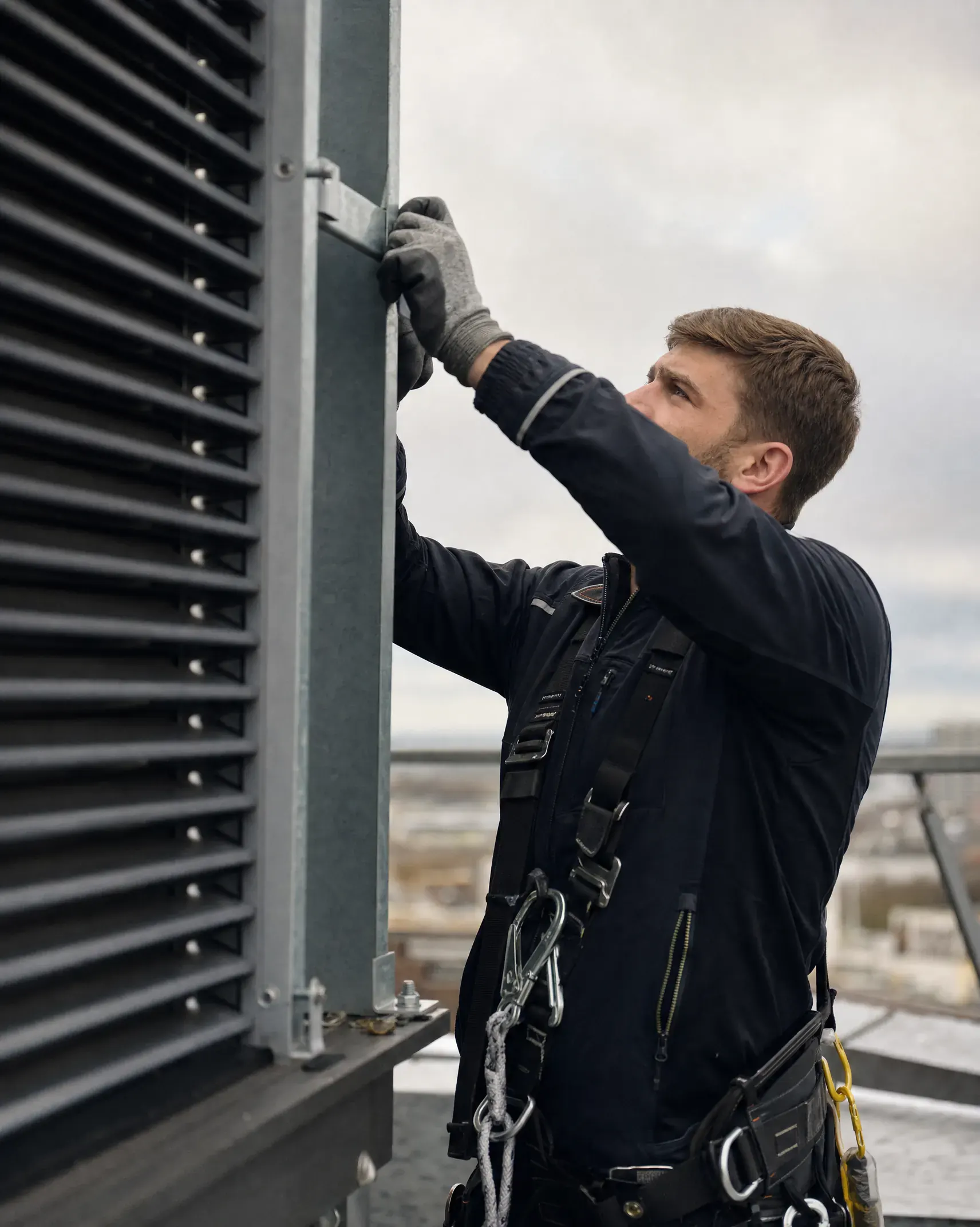
The handshake photo.
Two executives shaking hands under a banner, a row of staff posed at attention. To a Western buyer that says old, and stiff. She wants real scenes, the product in a garage, on a desk, on a roof, actually in use.
 Before
 After
After
The factory aerial.
A drone shot of the plant proves you can make things. It does not tell her why she should care, because she is not buying square meters, she is buying an outcome.
 Before
 After
After
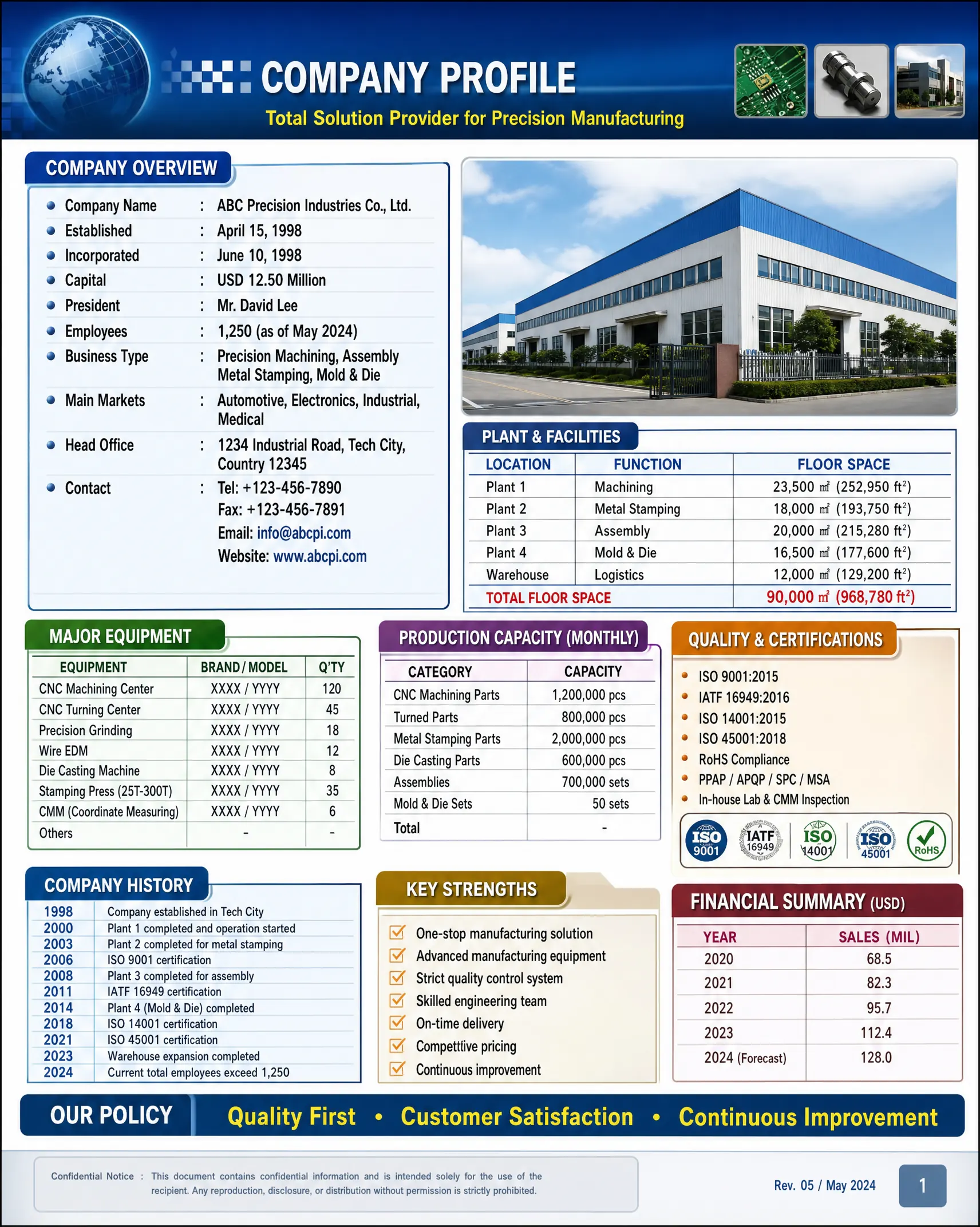
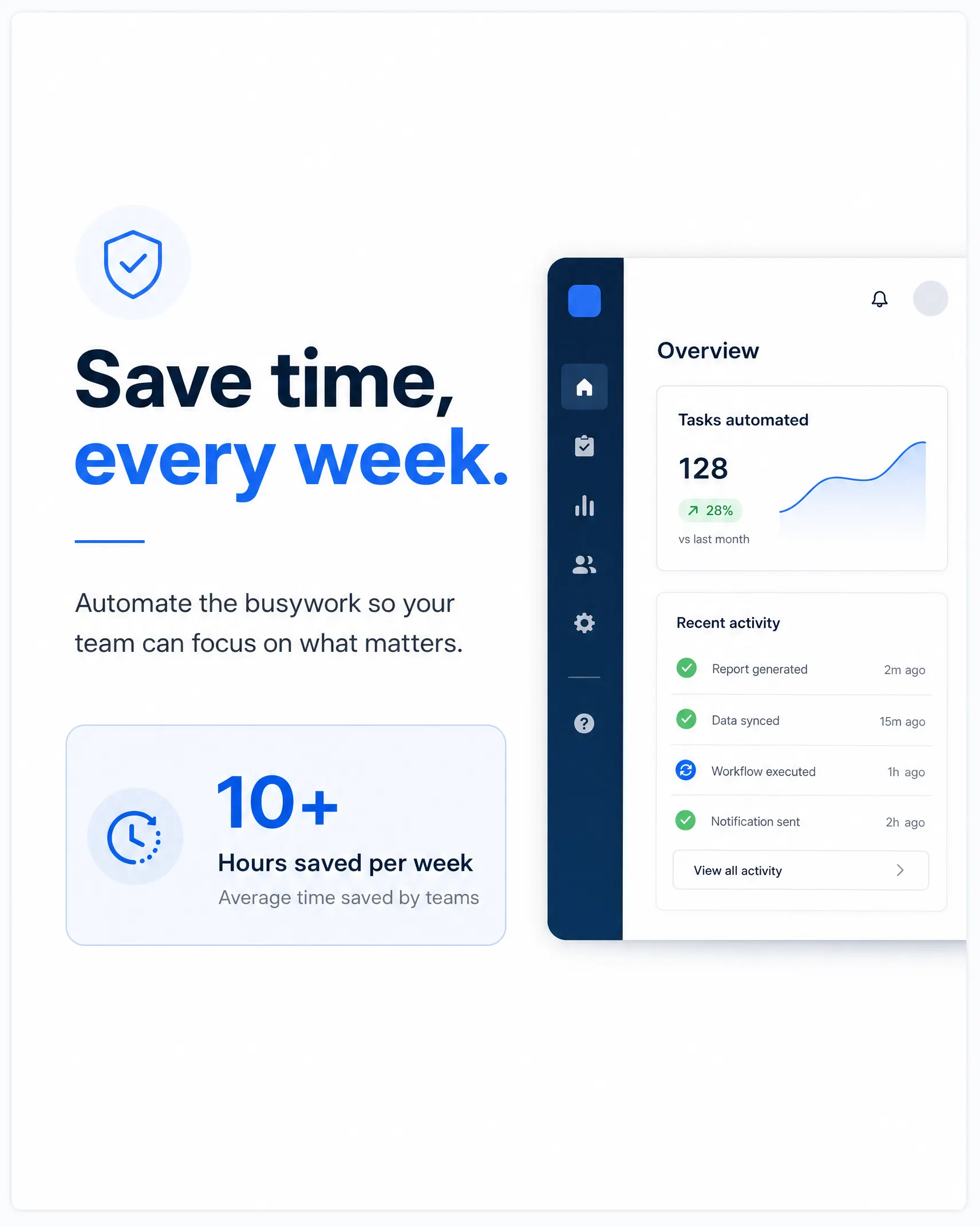
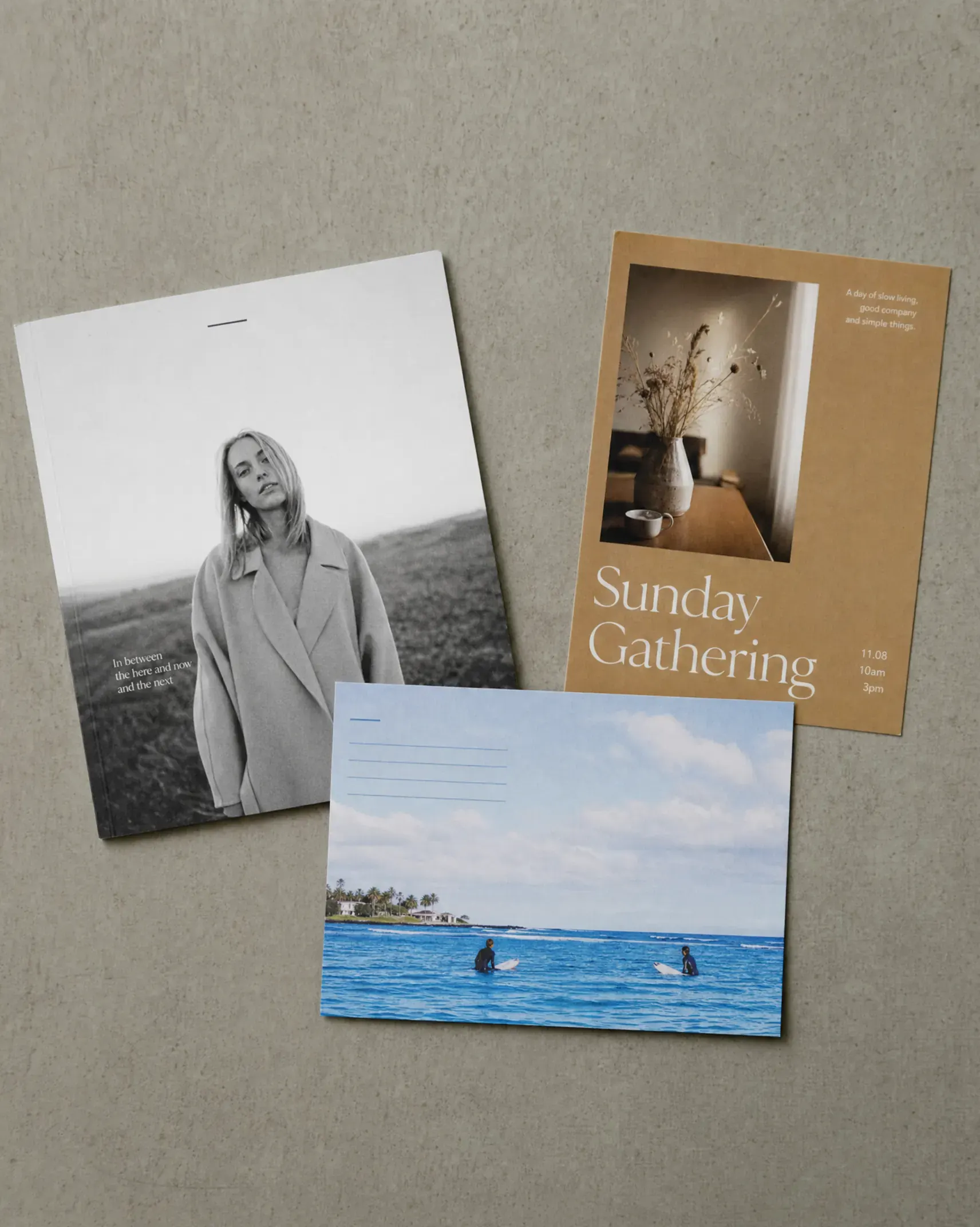
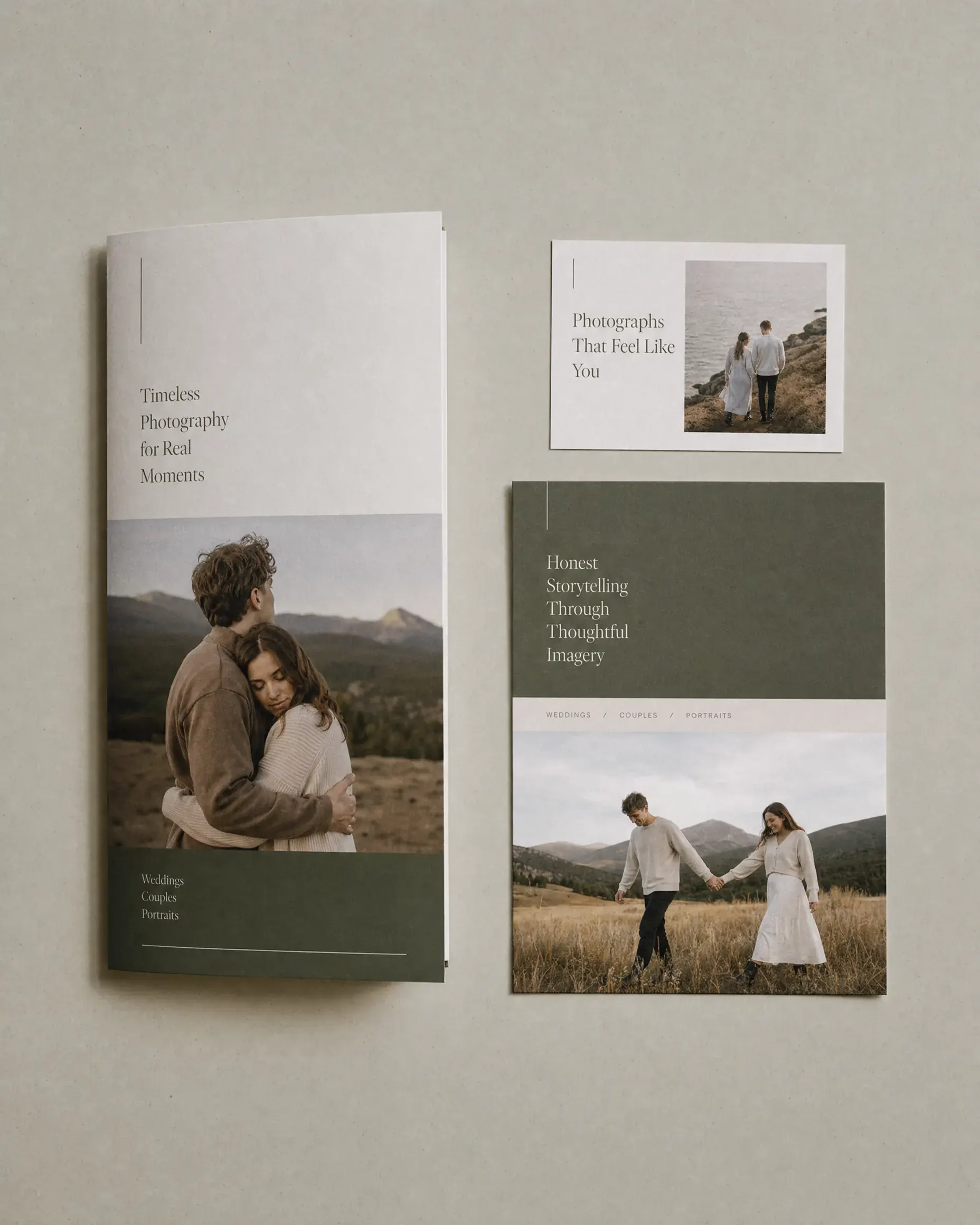
The spec-dump deck.
Open on founding year, floor space, and certifications, and you have lost her by slide two. She wants the answer to "what do I get" up front.
 Before
 After
After
Mismatched materials.
Photos shot in different light, three fonts across two brochures, a booth that does not match the website. It reads as no system. No system reads as risk.
 Before
 After
After
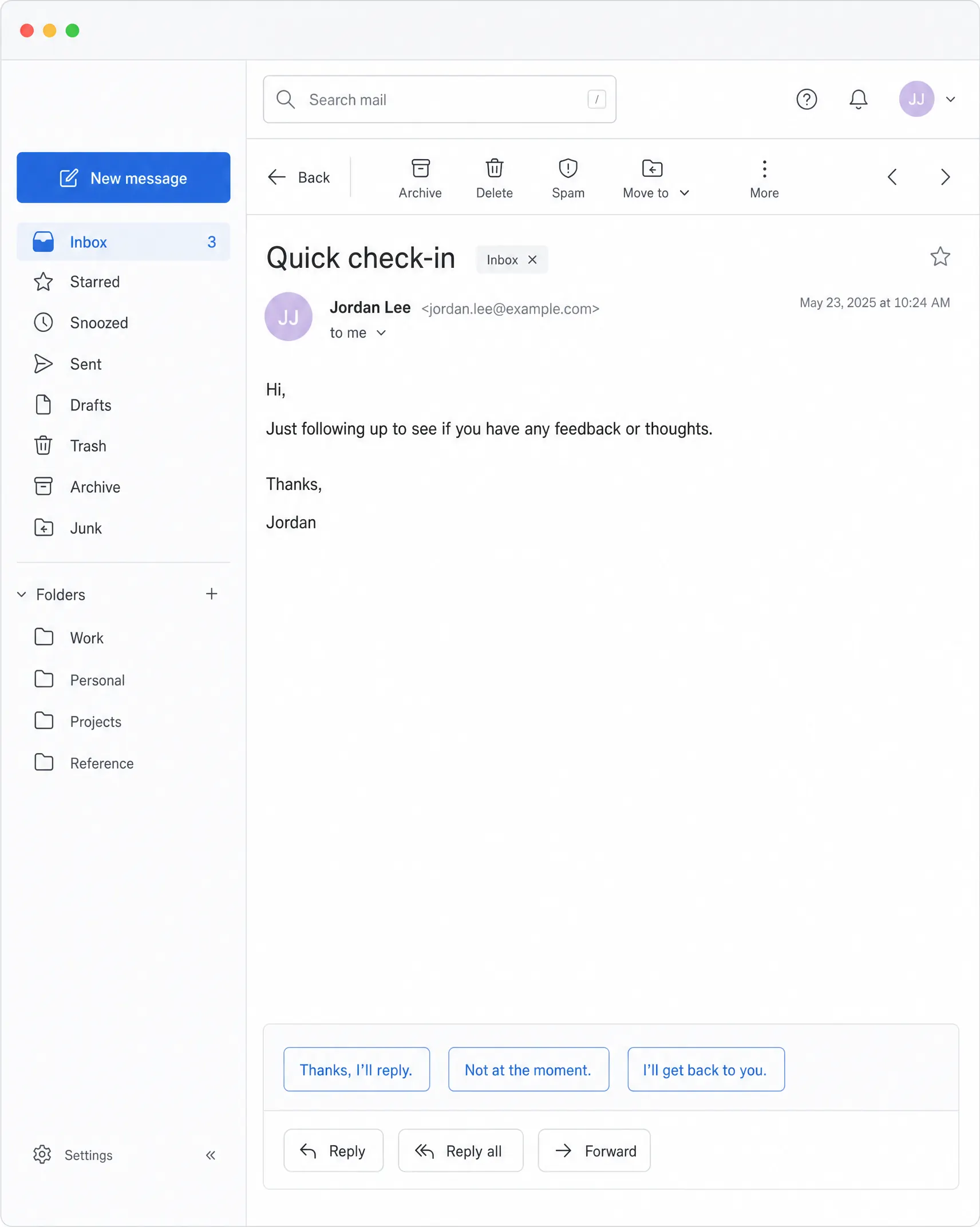
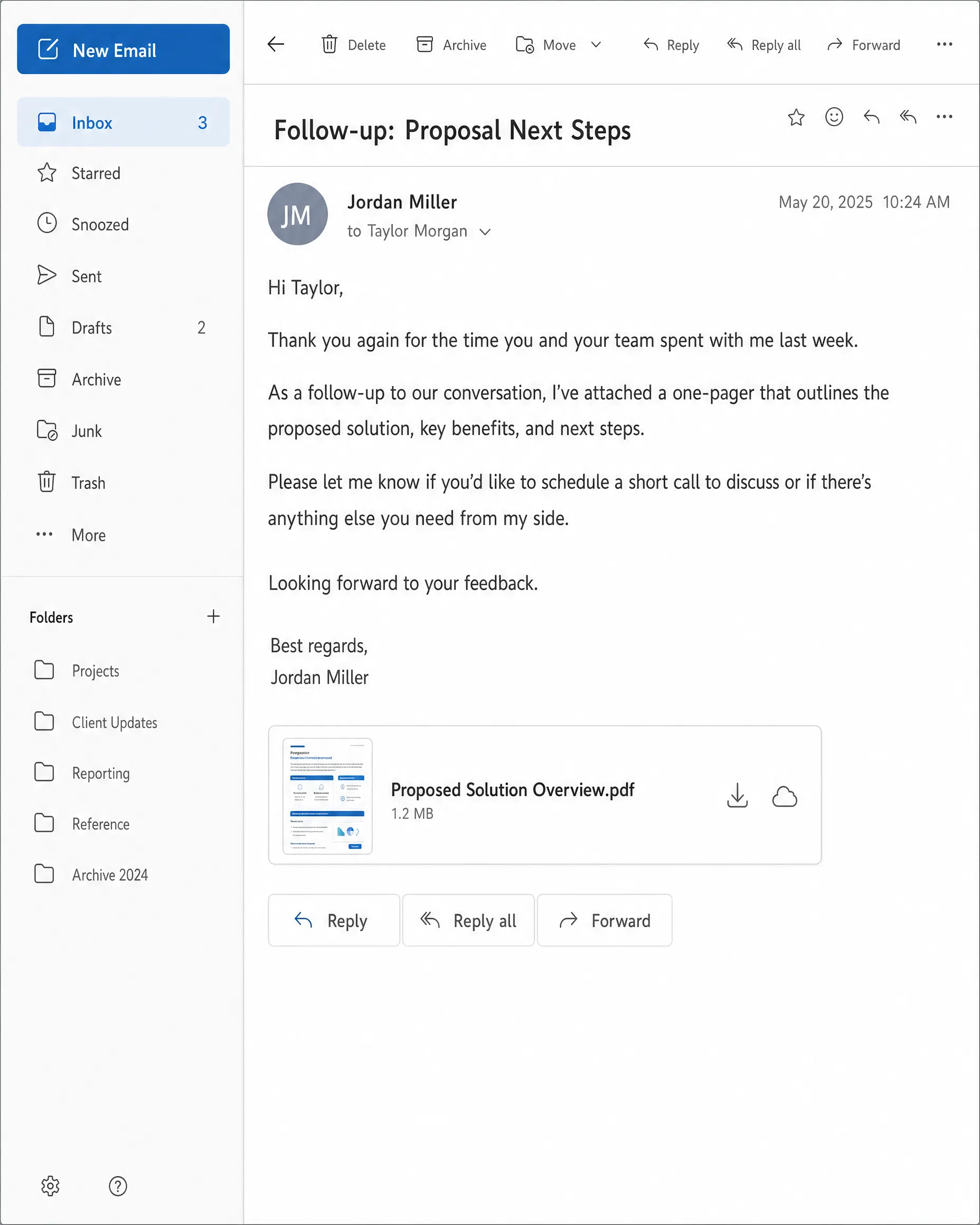
Nothing good to send after the show.
A buyer walks a hundred booths in a day. If your follow-up is a "How are you, any feedback?" email with nothing attached, you are forgotten. What earns a reply is a sharp leave-behind, a clean one-pager, a real application example, a deck that answers her actual question.
Why it matters
Your assets are the brand a buyer can hold. He never sees your strategy document. He sees the booth, the brochure, the deck, the product on the shelf. If those look built for another market, the rest of the brand work is wasted. Good assets close the gap between how good you are and how good you look.
What we produce
The pieces that end up in a buyer's hands.
-
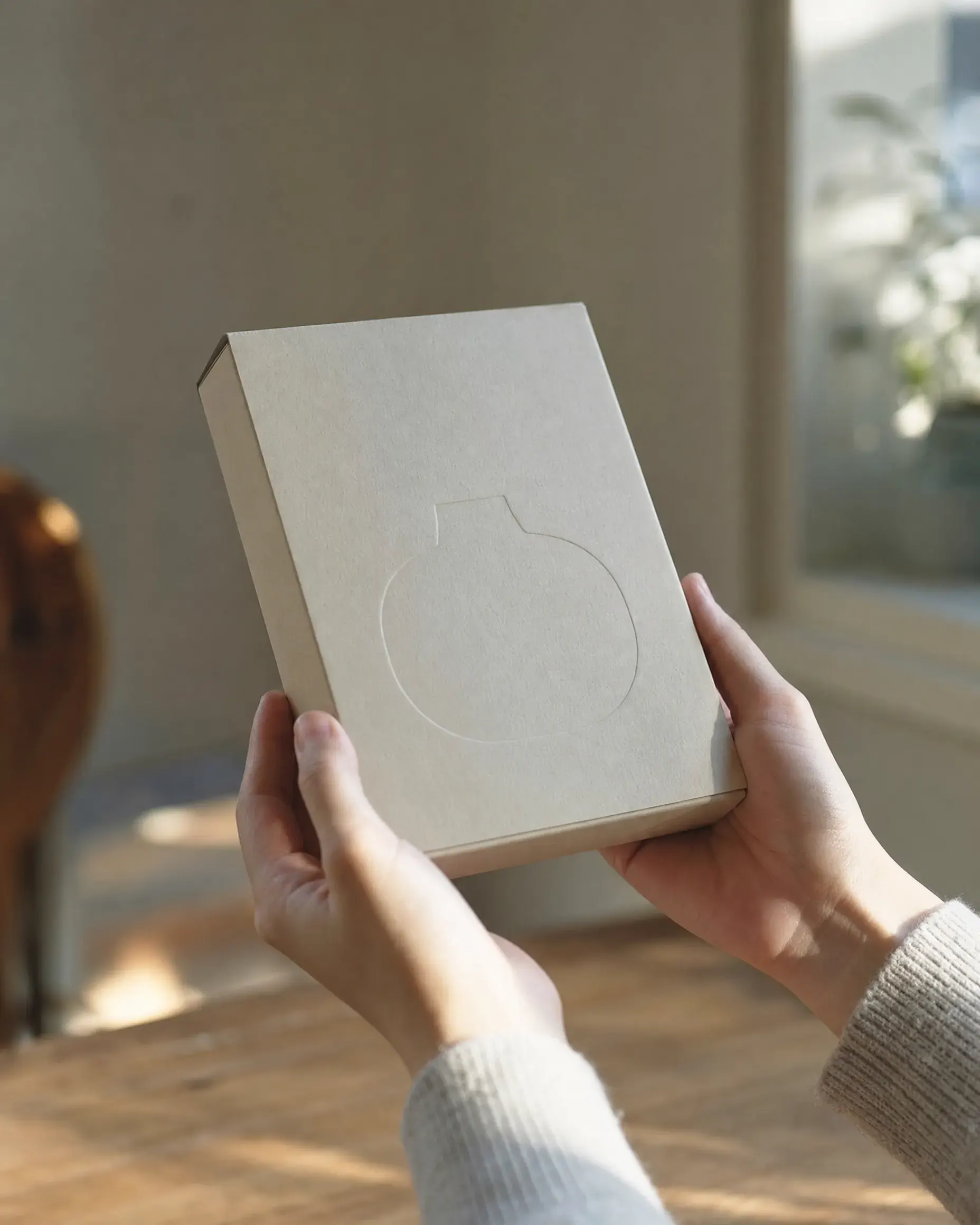
Packaging
Built for the Western shelf and the Western eye, with clean layout, claims that read right, and English a native wrote. The most visible piece of brand a buyer ever holds.
-
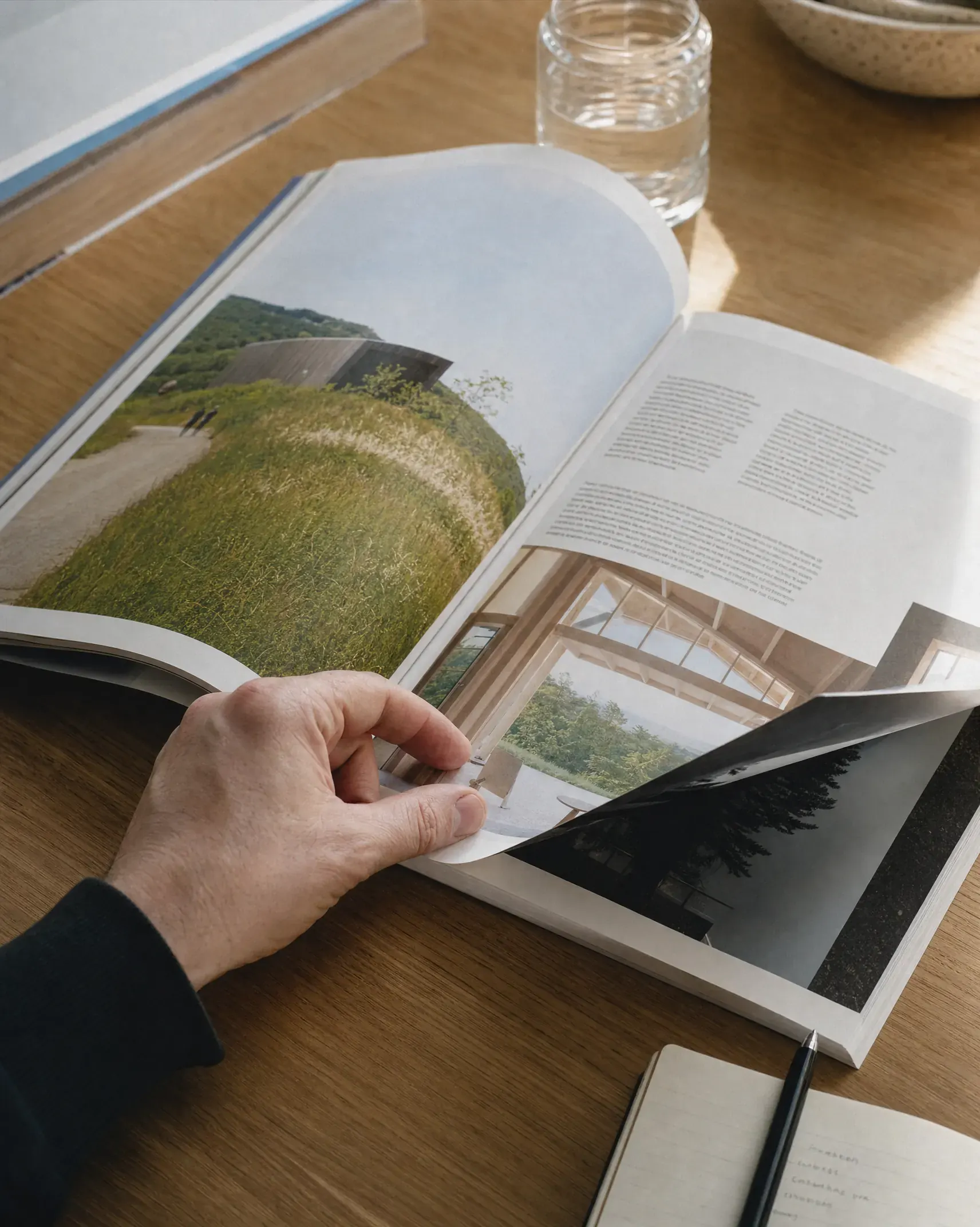
Brochures and sales decks
Written natively in English, with a sharp layout and one strong story told buyer-first. No translation feel.
-

Trade-show materials
Booth graphics, banners, handouts that pull buyers in across a crowded floor and make you look like the company you want them to think you are.
-

Product photography
Built for Western platforms and standards, one consistent set your website, ads, and decks all pull from.
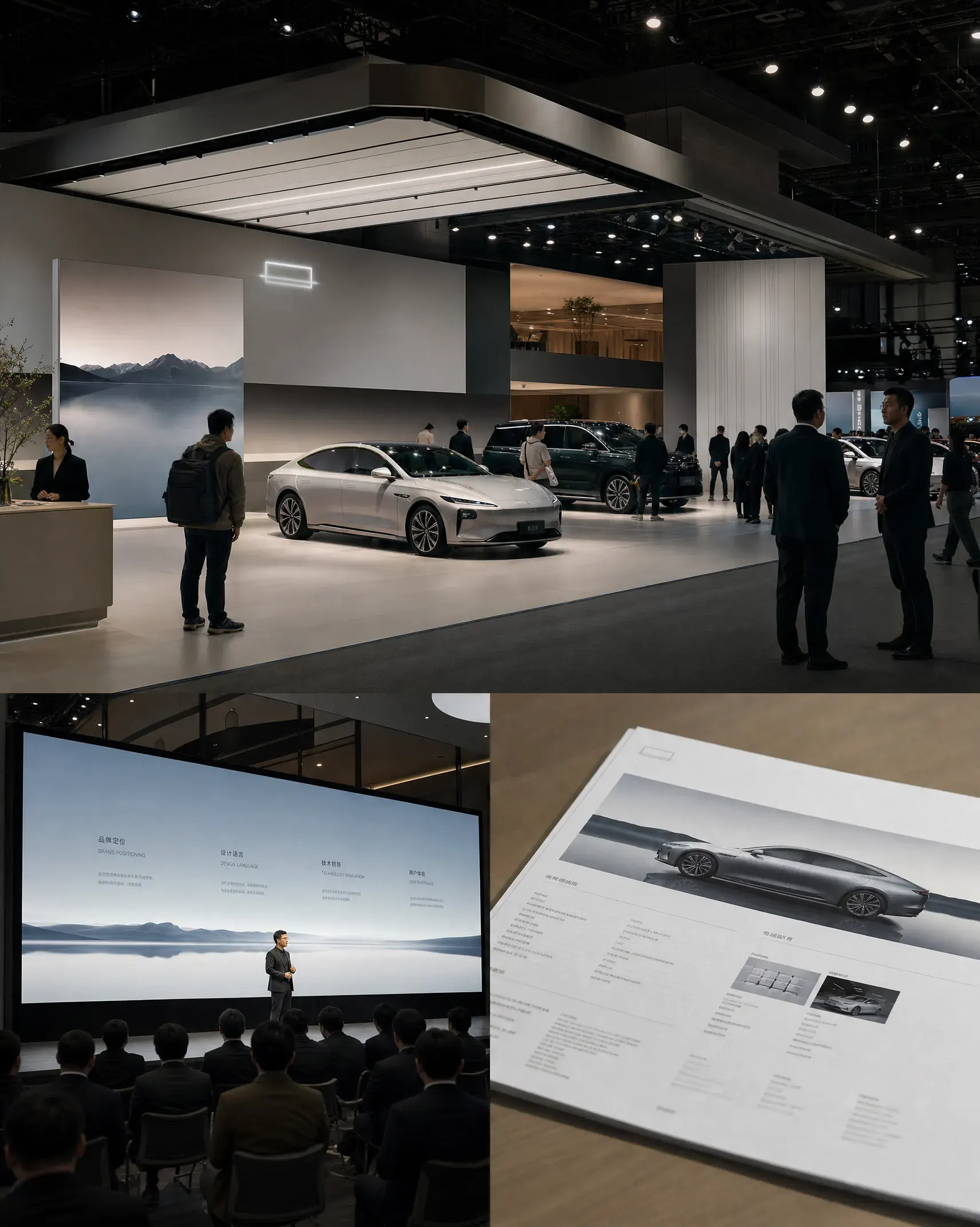
One language, every surface
Proof: one system across every surface.
For EXLANTIX, Chery's premium line, that meant everything from the auto-show stand to the global presentation template, all built to one system for an international launch. A buyer who saw the stand in Geneva and the deck on a Tuesday morning met the same company both times.
How it runs
How an asset program runs.
- System
One system.
Every asset follows your visual identity, the same logo, color, and type, so there is one voice from the booth to the brochure to a sales deck.
- Volume
Produced for volume.
We ship clean, on-brand work fast without dropping the quality that earns trust.
- Deliver
Handed over ready.
Files you can use the day they land, print-ready and screen-ready and organized so your team can find them.
FAQ
Questions, answered plainly.
What are "brand assets"? Just say it plainly.
The real things a buyer holds, reads, and sees. Your packaging, your brochures, your sales decks, your trade-show booth, your product photos. Strategy is the plan and the logo is the look. Assets are the actual stuff you hand a buyer. They are the brand he can touch.
We already have a brochure and a deck. Why redo them?
Because most materials made in China read as "almost right" to a Western buyer, and almost right reads as careless. The English is a little off. The photos look posed. The deck opens with twenty years of company history before it says what you sell. None of that is a product flaw, but all of it loses deals. We rebuild them to look like they came from a company a buyer already trusts.
Our English is fine. Our staff translated everything. Isn't that enough?
This is the most common trap. A fluent staffer still produces English that is slightly off, the odd word order, the strange phrase, the missing "the" or "a." A native catches it instantly. It does not make you look cheap. It makes you look careless, and careless is worse, because a buyer wonders what else you are careless about. We write in English from scratch, not from a translation.
What is wrong with our product photos? They show the product clearly.
Often they look staged or lit wrong for Western taste, and the classic mistake is the posed handshake photo or the drone shot of your factory. A buyer does not care about your square meters. He wants to see the product actually in use, on a real desk, a real roof, a real job site. We shoot or source images he can picture himself in.
Why is showing our big factory a bad thing? It proves we are real.
It proves you can make things. It does not tell the buyer why he should care. He is not buying floor space. He is buying an outcome, a result, a solved problem. Lead with the outcome. Keep the factory shot for the buyers who ask to see it. Most never will.
What exactly will you produce for us?
Whatever the situation needs: packaging built for the Western shelf, brochures and sales decks written natively in English, trade-show graphics and handouts, and clean product photography. One consistent set, all built to the same system, so everything looks like one company.
How much does it cost?
It is a project fee, priced by volume. A single brochure is small. A full kit, packaging, decks, booth, and new photography, is bigger. We scope it against your launch calendar and give you the number before any work starts.
How long does it take?
A full kit with original photography usually runs eight to twelve weeks. A single piece is much faster. The timeline depends on how much you need and whether we are shooting new photos. We tell you up front.
We have a trade show in six weeks. Can you make it?
Tell us the date first thing. Some things we can do fast, especially if your identity is already set. New photography takes longer. We will be honest about what is realistic in your window instead of promising everything and rushing the quality.
Why does it matter if my brochure, website, and booth all match?
Because a buyer who sees you online and then meets you at a show should feel one company, not three. When your photos are shot in different light, your fonts change across documents, and your booth looks nothing like your website, it reads as "no system." No system reads as risk. Consistency is what makes a small company look established.
After a trade show, my follow-up emails get ignored. Why?
Because a buyer walks a hundred booths in a day and cannot remember you. A "How are you, any feedback?" email with nothing attached gets deleted. What earns a reply is something useful in his hands: a clean one-pager, a real application example, a deck that answers his actual question. We build the kit your team sends the week after, so the meeting does not die in the inbox.
Can't I just use templates from Canva or a cheap designer?
You can, and a buyer can tell. Templates look like templates. A cheap designer who does not know Western standards reproduces the same tells, wrong photos, off English, weak layout. The materials are the moment a buyer decides if you are serious. Saving a little here often costs you the deal.
Do you write the English, or just design it?
We write it, natively, from scratch. Design and words are not separate jobs here. A beautiful brochure with slightly-off English still fails. We handle both so the whole piece reads like it was made by a company in the buyer's own market.
Who does the production? Can you handle a lot of work fast?
Our production team is built for volume and is globally distributed, so we ship clean, on-brand work quickly without dropping quality. We have produced everything from international auto-show stands to full global sales decks. You get files ready to use the day they land, print-ready and screen-ready.
What do you need from us to start?
Your visual identity, so everything stays consistent, your product details and any claims you want to make, and your deadlines. If you have existing materials, send them. We will tell you honestly what to keep, what to fix, and what to rebuild.
The last mile
Give your buyers something worth keeping.
This is the last mile. Strategy, naming, and identity set the direction, and the assets are what actually end up in a buyer's hands.
Print-ready and screen-ready the day they land.
Reviewed May 2026