

Skip to content
Beyond Bridge
A brand strategist studying a studio wall of moodboards, logo explorations, type specimens and a positioning map

The strategy module

A brand Western
buyers trust.

Not a deck translated from Chinese.

We build the story underneath your overseas brand. Who you are, why you are the safe choice, and the one line a buyer repeats after the call ends.

The order buyers decide in

TrustPriceDelivery

Win the first, and price stops being the argument.

Strategy first. Then the name, the look, the materials.

Why it happens

Your factory is strong. Your tech is real. Your price beats the local supplier. And the Western buyer still signs with the company they have already heard of. That is not a product problem. It is a brand problem.

Most Chinese companies arrive overseas with a story written for China. The founding year. A wall of certifications. A line like "a leading global manufacturer." To a buyer in Ohio or Munich, that reads as noise. It is the same sentence every other supplier sends.

Three colleagues working through brand positioning notes around a meeting table in a daylit office
A story rebuilt for the room it walks into.

What you are up against

Two things you are fighting.

The bias

A label you never chose.

"Made in China" lands in the buyer’s head before you say a word.

For thirty years, "Made in China" meant cheap and good enough. That idea sits in the buyer’s head before you say a word. You will not win by arguing with it. You win by giving the buyer a reason to set it aside. Anker did that. So did DJI. The work that gets them there is strategy, not luck.
The bond

A relationship you do not have.

The local rep already coached the buyer’s kid’s soccer team.

A local supplier can lose the spec war to you and still walk away with the deal, because they coached the buyer’s kid’s soccer team, or their nephew interned there one summer. You cannot fly in for every barbecue. A brand is how you earn that trust at scale, in the room, before anyone has shaken a hand.

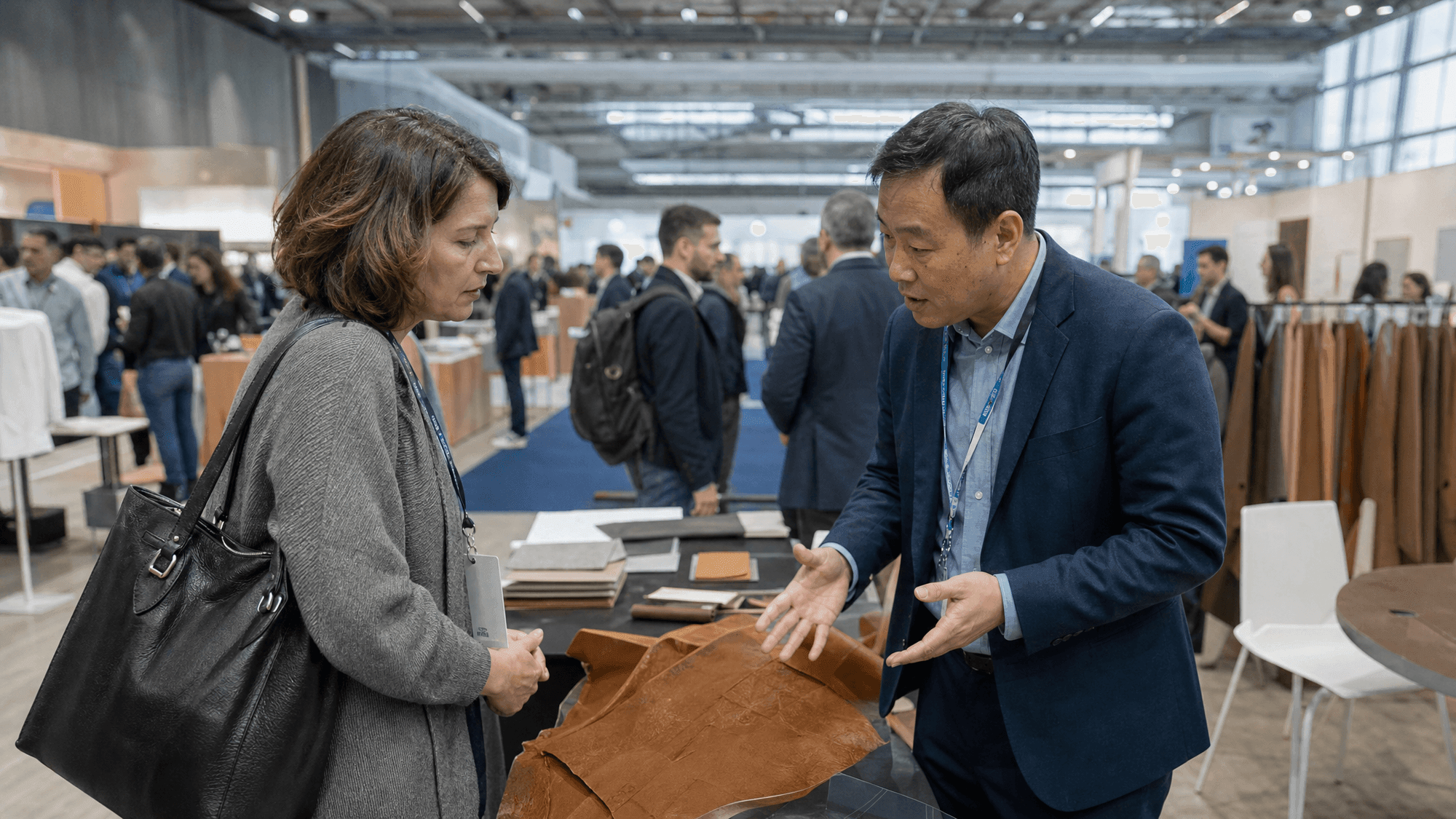
Two people in genuine conversation over a product sample on the floor of a Western trade show
The deal turns on trust earned in the room, not the spec sheet.
Chinese companies have earned positive marks on technology, product, and service as value for money, but show clear gaps in business ethics, transparency, ESG, and the brand of company leadership, which are exactly the core factors that build trust.
Industry brand-trust research, 2024–25

Same product, offered at a normal price and a doubled "Made in USA" price. Buyers who paid double: zero. Cheap persuades no one. Trust persuades everyone.

The tells

Four habits that read as foreign.

You write about yourself.

The homepage opens with your floor space and your history. She wants to know what you fix for her, in the first line. We turn "here is us" into "here is what you get."

rewrite.diff
- Founded 2009, 40,000 m² plant
+ Cut your reject rate by half

What lands on your desk

None of the above is abstract. It comes out as four things, in one short document your team can use the next morning.

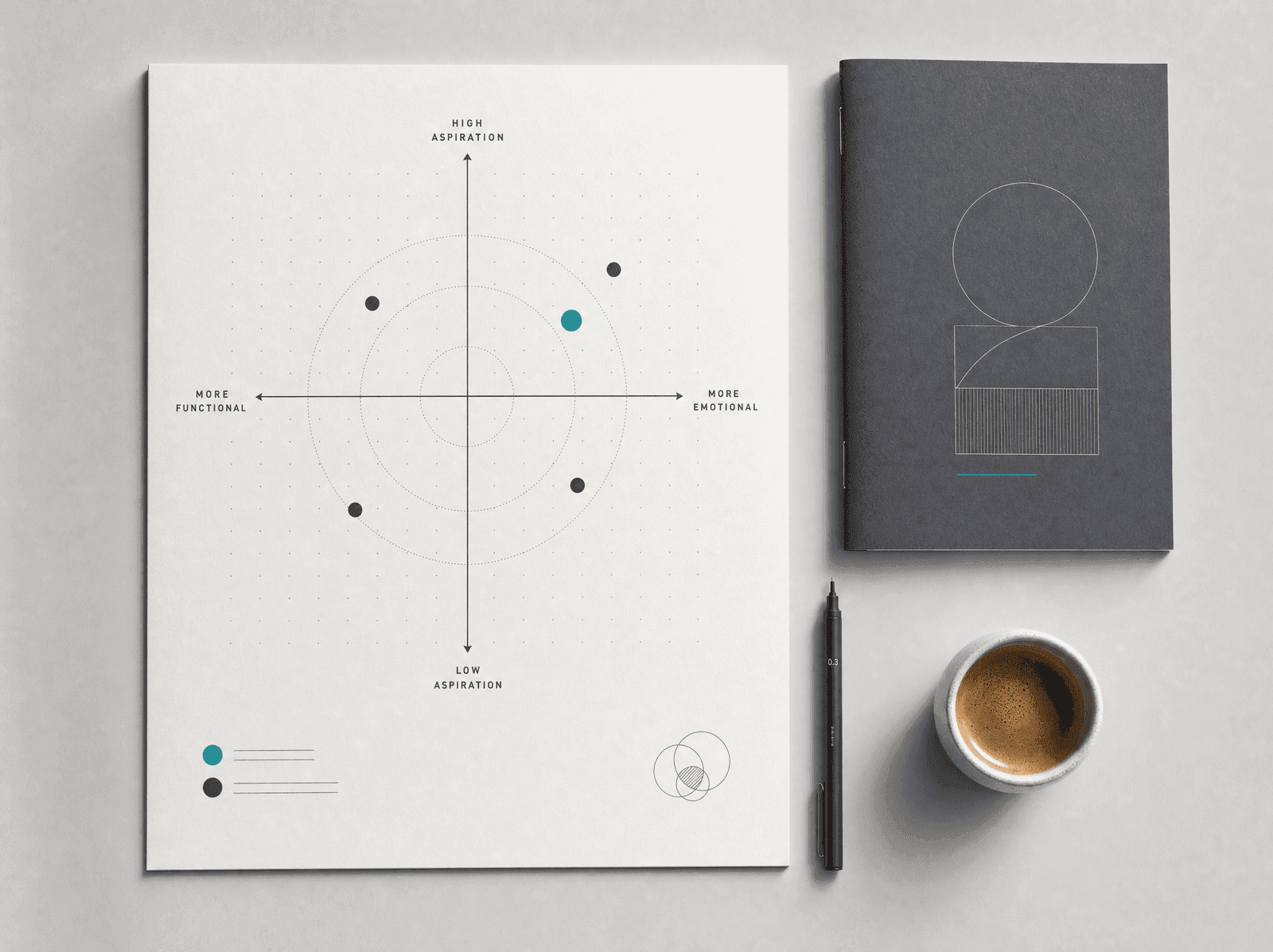
A brand positioning map and strategy booklet laid out on a desk
One short document. Four moving parts.

Positioning

Where you sit in the market, what you stand for, who you beat and why. One place to own, picked because your rivals left it open.

Value proposition

The reason a buyer chooses you over the local name she trusts. One promise, in plain English, not a feature list.

Messaging framework

The words your whole company uses, from the website to the sales floor, so you stop telling three different stories.

Buyer map

Who buys, who signs off, and what each one needs to hear. The engineer wants specs. The boss wants safety. Finance wants the number.

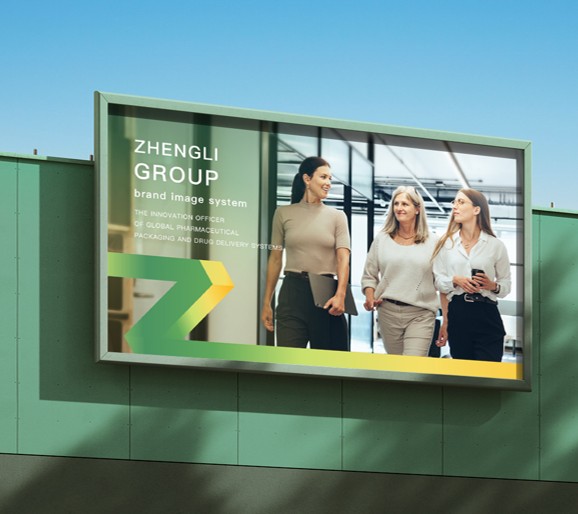
A Zeinley brand billboard in the wild, the new identity applied across an out-of-home campaign Built from the strategy up

A company we took in cold

Zeinley

Zeinley came to us with strong products and no Western presence at all. We built the brand from the strategy up, positioning before a single asset went out the door, then carried that same story into the website, LinkedIn, and the search and ads that brought the first inbound leads.

PositioningWebsiteLinkedInSearch and ads
See the full case

How it runs

How a strategy engagement runs.

35 weeks, end to end. One scoped project fee, no surprises.
  1. Listen

    Learn your business.

    The product, the margins, the competitors you actually face overseas. We read your China materials and talk to your team to find what travels and what dies at the border.

  2. Map

    Study the market.

    Your category in the West, the local players, the white space they left open, and the words that make a buyer close the tab.

  3. Make

    Build.

    Positioning, value prop, messaging, buyer map. A short document, not an 80-page deck that sits in a drawer.

Questions

Questions, answered plainly.

What is "brand strategy"? Be honest, I make products, not brands.

It is the plan for how a buyer in another country thinks about your company before they ever talk to you. Your product is what you make. Your brand is what they believe about you. Strategy decides what they should believe, and how to make them believe it. You already have a brand overseas. Right now it is "cheap Chinese supplier," because you have not told them anything else.

I have good products and low prices. Why do I need this at all?

Because good and cheap is what every Chinese supplier says. The buyer has heard it a hundred times. He cannot tell you apart from the factory next door. Strategy gives him a reason to pick you that is not just price. If price is your only reason, you will always lose to someone a little cheaper next year.

Is this just a logo and a nice color?

No. That is visual identity, and it comes later. Strategy is the thinking before the design. Who you are for, what you promise, why you are the safe choice, what you say first. The logo is the suit. Strategy is deciding who you want to be in the room. A nice suit on the wrong person still fails.

Can't I just translate my Chinese marketing into English?

This is the most expensive mistake we see. Your Chinese marketing was built for Chinese buyers who already trust Chinese companies. Western buyers do not start from trust. They start from doubt. The message has to be rebuilt, not translated. Translated marketing reads as foreign, and foreign reads as risky.

What do I actually get at the end? Something I can hold?

Yes. One short document. It has your position (where you stand), your value proposition (your one promise), your messaging (the exact words to use), and your buyer map (who decides and what they need to hear). Your team uses it the next morning. It is not an 80-page report that sits in a drawer.

How much does it cost?

It is a project fee, not an hourly rate, so you know the number before you start. The price depends on how many products and how many markets you are entering. One product into one country is small. A full range into the US and Europe is bigger. We scope it and tell you the number before you commit. No surprises on the invoice.

How long does it take?

Most strategy work runs three to five weeks. More products and more markets take longer. We tell you the timeline up front.

We are a factory. We have no brand and no marketing team. Is it too early for us?

It is the right time, not too early. Doing strategy before you spend on a website, ads, or a booth saves you money. Most companies build all the expensive things first, then redo them when they realize the message was wrong. Strategy first means you build the expensive things once.

Do I have to hide that we are Chinese?

No, and trying to is a trap. The internet is transparent. A buyer who feels tricked is gone for good. The question is not whether to show it. The question is how to position it. In some categories, being Chinese is a real advantage. We decide that on purpose, instead of you hiding it by accident.

Will this actually bring me more leads, or is it just talk?

Strategy itself does not generate leads. It makes everything that does generate leads work better. Your website converts more. Your ads cost less. Your sales calls close more. Think of it as the foundation. You do not see a foundation, but the house falls down without it. The lead-generating work, website, ads, LinkedIn, sits on top of it.

My English is good. Why can't I do this myself?

Speaking English and knowing what a Western buyer trusts are two different things. You can write a clear English sentence. You cannot easily feel why "we are a leading manufacturer" makes a German buyer roll his eyes, or why a named client beats a list of certifications. That feel comes from years inside the market. That is what you are paying for.

Who does the work? Will it be juniors?

The strategy is led by people who have run brands on both sides for over 20 years, in Europe and Asia. The point of this service is judgment, not labor. You are paying for people who have sat across the table from the buyers you want.

What do you need from me to start?

Your honest answers. Your real products, your real margins, your real competitors overseas, and what has not worked so far. We also want to talk to whoever knows your business best. The more honest you are about what is broken, the better the strategy. We are not here to be polite. We are here to fix the gap.

What if I already have a brand strategy from a Chinese agency?

Bring it. A lot of strategy built in China is built for the China market and does not survive the border. We will tell you honestly what travels and what does not. Sometimes we keep most of it. Sometimes the core idea is sound but the message is aimed at the wrong buyer. We do not redo work that already works.

What happens after the strategy is done?

The strategy feeds everything else. Naming, visual identity, website, LinkedIn, ads, all of it pulls from the same document, so your company finally tells one story instead of three. You can do those steps with us or take the strategy elsewhere. It is yours. But the reason it is step one is that nothing else is built right until it exists.

Still not sure if you need this? Book a call. We will tell you straight whether strategy is your bottleneck, or whether your money is better spent somewhere else first.

The first move

Stop competing on price.

Strategy is the first move. Everything else, the name, the look, the materials, builds on it.

We pick up in your market’s time zone.

Book a call

Reviewed May 2026

Next module: Naming