We brief you first.
Before you talk to the buyer, you get everything we learned on the first call: who they are, what they want, the budget, the timeline, and the questions they already asked. You walk in prepared.
Services
Foundation Services
Resources
Sales force
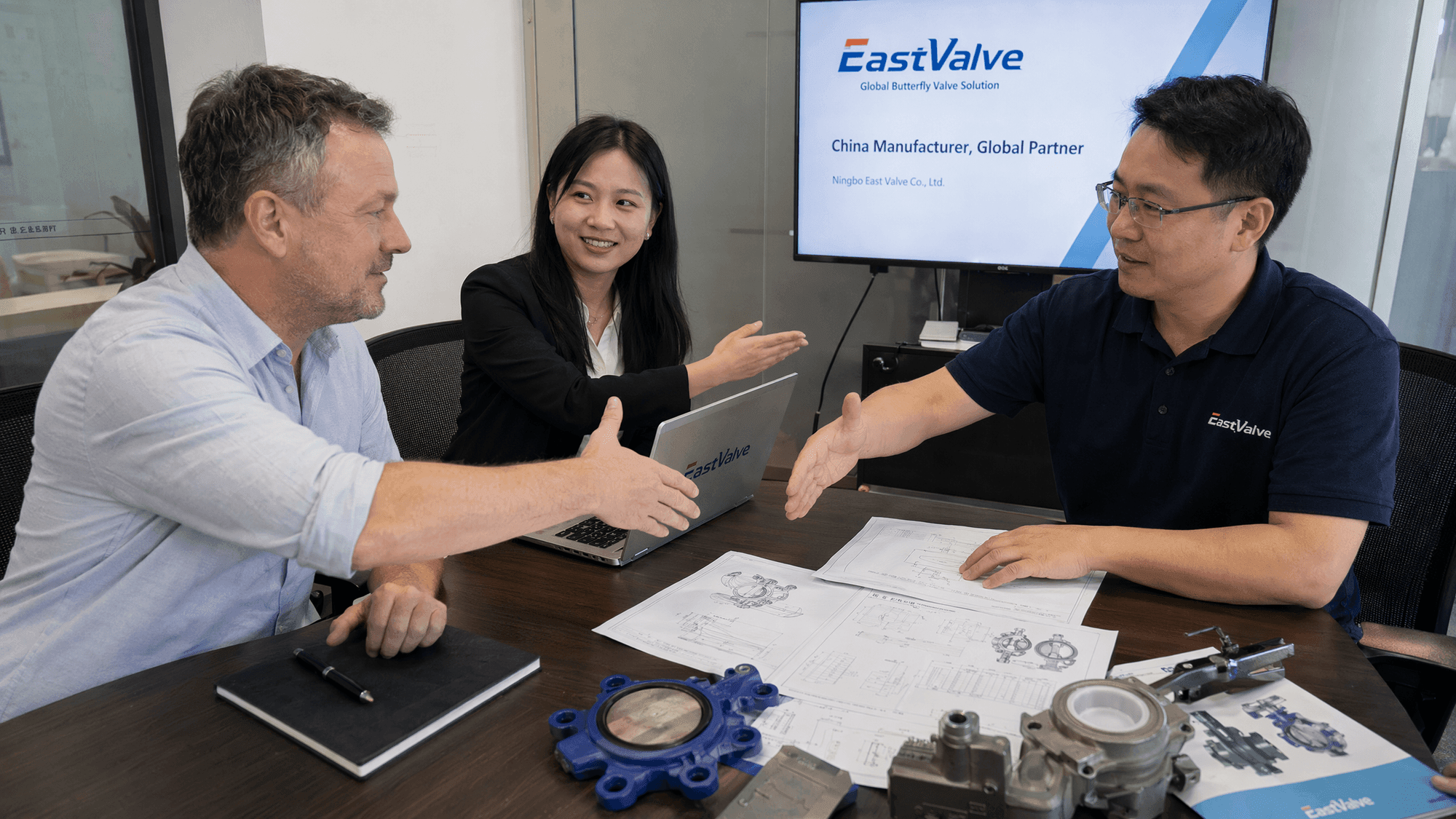
Once the buyer is warm, the talk turns technical. That is your moment. So we hand the buyer to you.
The handoff is the most important step in the chain. Done well, the buyer feels passed to an expert. Done badly, they feel dropped.
78%
of B2B buyers buy from the vendor that responds first.
A slow reply does not just delay a deal, it hands it to a competitor.
We open the door. Then we put you in the room.
Our rep makes the first call, qualifies the buyer, and introduces your company. You can read how that works on the Lead Qualification page. This page is about what happens next.
Once the buyer is warm, the talk turns technical. Specs. Tolerances. Quote. Lead time. Volume.
That is your moment. So we hand the buyer to you.
The handoff is the most important step in the chain. Done well, the buyer feels passed to an expert. Done badly, they feel dropped. Most deals are won or lost right here, so we treat it that way.
Why the handoff matters
A buyer in the West buys from people they trust. The first call earns that trust. But the deal is made when the buyer talks to the people who know the product cold: your engineers, or whoever on your team can answer a hard technical question without checking with anyone first.
Buyers research on their own, then want a seller at one point: when they need help deciding if the product fits.
If you hand an engaged buyer to a slow or silent process, the trust drains away. This is where a lot of Chinese companies lose the deal. The lead comes in warm and goes cold while it waits for the right person to answer.
How the handoff works
We brief you first.
Before you talk to the buyer, you get everything we learned on the first call: who they are, what they want, the budget, the timeline, and the questions they already asked. You walk in prepared.
We make the introduction.
We do not just pass along an email address. We introduce you by name, set up the meeting, and tell the buyer who they are about to meet and why. They are never left wondering who to talk to next.
What you hand off is a relationship, not a cold contact.
The buyer has already spoken to a person they trust. That trust carries over to you.
 When the buyer goes quiet, we chase
 We can stay in the middle
Some clients want us to step back completely once the introduction is made. Others want us to stay on the thread. Both work.
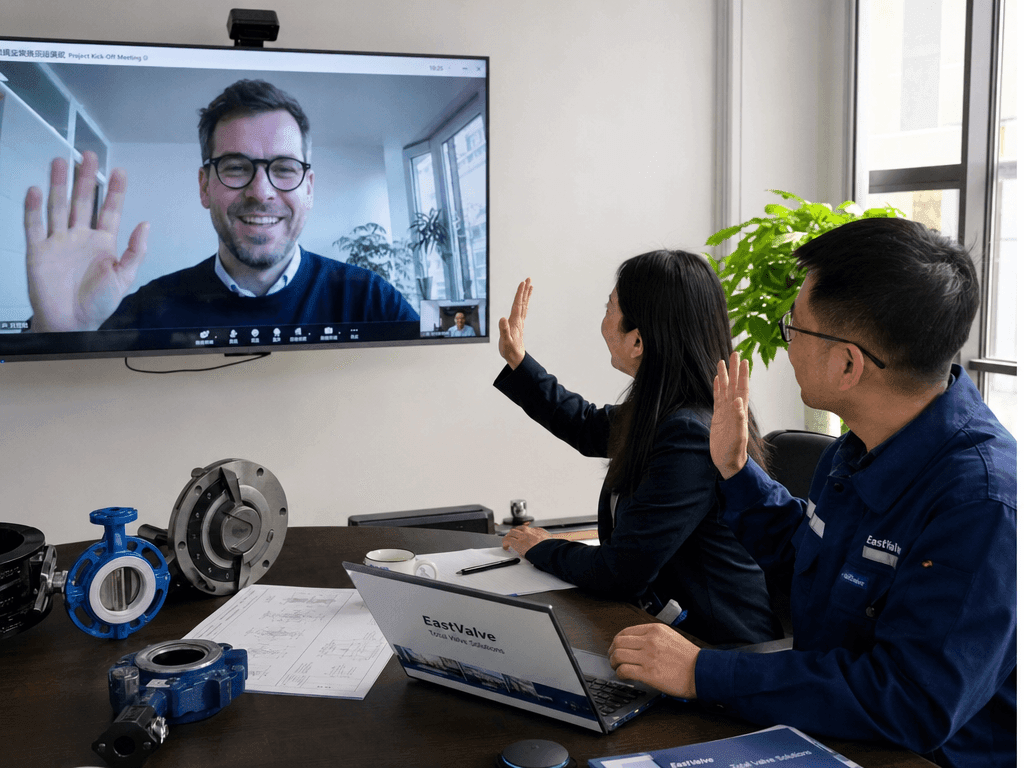
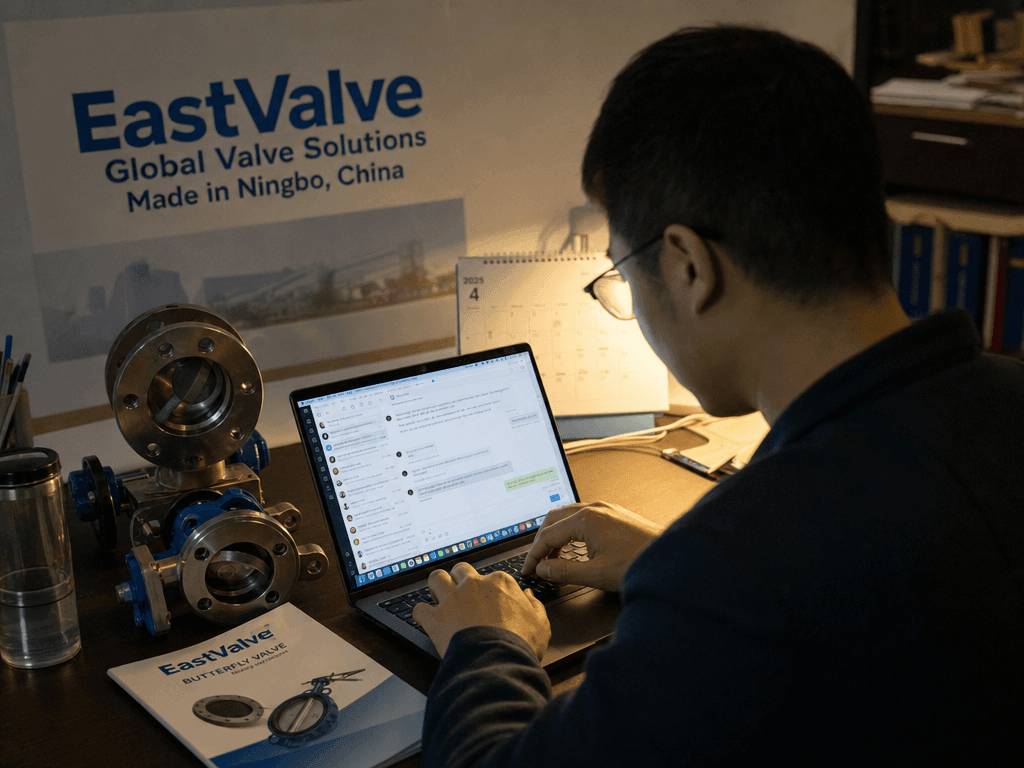
If you want, we stay in the middle as a communication bridge. We keep the conversation moving so a message does not sit unanswered for two days because of a time zone or a language gap. When the buyer goes quiet, we chase. While your team handles the substance, we keep the deal alive.
A deal can stall on a single unanswered email. A buyer in the West who waits four days for a reply assumes you are not serious.
78 percent of B2B buyers buy from the vendor that responds first. A slow reply does not just delay a deal, it hands it to a competitor.
Keeping us on the thread is how we make sure that slow reply never happens on your watch.
Where we stop, and why that helps you
When the talk gets deeply technical, the answers come from your team. We are the bridge for the relationship, not the technical authority. We will tell a buyer "let me get you the right person for that," and we will get them that person fast.
That honesty is a strength. A buyer trusts a rep who says "let me find out" more than one who guesses and gets it wrong, nobody is fooled by a confident wrong answer anyway. And it keeps your experts in charge of the technical conversation, which is exactly where they should be.
Two ways we hand off
| Full handoff | We stay in the middle | |
|---|---|---|
| First call and qualification | We do it | We do it |
| Introduction to your team | We do it | We do it |
| Technical conversation | Your team | Your team |
| Chasing replies, keeping the deal warm | Your team | We do it |
| Best when | You have English-speaking salespeople who can run the deal | Your team is small, busy, or slowed by time zones and language |
You choose. We fit the way you already work. If you would rather not price each piece, this module is also part of our packages.
Why this is rare
Most agencies that serve Chinese companies stop at the lead. They never take a call, never make an introduction, never stay on a thread to keep a deal warm.
We do all three. A named rep opens the relationship, hands it to you at the right moment, and stays in the middle if you want the support. The buyer never has to feel how far your office in China sits from their desk.
So the lead you paid to generate turns into a deal, instead of dying in the gap between a good first call and a slow second one.
What it costs
The handoff itself is built into the External Sales Force module. There is no separate fee to be introduced to your own buyer.
Staying in the middle is the part that varies. We price it by how many live deals we are carrying and for how long. A short bridge through a first quote costs less than riding a six-month sales cycle with you. We will scope it plainly on a call.
Frequently asked questions
After our rep makes the first call and qualifies the buyer, we pass that buyer to your team for the real business talk. We brief you, introduce you by name, and set up the meeting, so you walk into a warm conversation, not a cold one. The first call itself is covered on the lead qualification page.
Because the deal is won on technical detail: specs, tolerances, quotes, lead times. That is your team's job, not ours. The rep opens the relationship, and your engineers close it. We hand over at the point where your expertise matters more than ours.
At the point the buyer asks something only your team can answer, the kind of detailed engineering or pricing question the rep should not be guessing at. Up to then, the rep carries the conversation. The moment it turns technical, we make the introduction.
We do not just send your email address and disappear. The rep makes a proper introduction: names you, explains why you are the right person, and sets up the meeting before stepping back. The buyer gets walked over to you, not left to chase a contact who went quiet.
After the introduction, we can keep handling the communication side. We make sure messages get answered, the meeting actually happens, and nothing sits for days because of a time zone or a language gap. Your team handles the substance, we just keep things moving.
Take over fully if you have English-speaking salespeople who can run the deal day to day. Keep us in the middle if your team is small, busy, or slowed by time zones and language. Both work. You choose.
We keep the relationship warm while your experts handle the technical answers. A deal often stalls not on the engineering, but on a slow reply or a missed email. 78 percent of B2B buyers buy from the vendor that responds first. That slow reply is the thing we cover, and it is what quietly loses deals that were going fine on the merits.
Not when the handoff is done right. The buyer is not dropped, they are introduced. Our rep tells them who they are about to meet and why, and sets up the meeting, so it feels like being walked over to the expert, not bounced to a stranger. Done well, buyers see it as a step up.
The handoff itself is built into the External Sales Force module. There is no separate fee to be introduced to your own buyer.
That part varies. We price it by how many live deals we are carrying and for how long. A short bridge through a first quote costs less than riding a six-month sales cycle with you. We scope it plainly on a call.
Yes, because our reps live in those regions, Europe, South East Asia, North America, and the Middle East, and work local hours. A buyer who messages at 4pm their time gets an answer the same day, not after your office in China wakes up the next morning.
That is exactly when keeping us in the middle helps. We follow up and keep the thread moving so a slow internal reply does not cost you the deal. If a buyer goes quiet or a deal looks like it is stalling, we flag it to you early, while there is still time to act.
No. You always own the buyer and the deal. We facilitate communication; we do not negotiate, quote, or decide for you. You can ask us to step back at any point.
It does, and long cycles are often where staying in the middle pays off most. We keep a deal warm over months while your team handles each technical round. Longer support is priced accordingly.
Most agencies that serve Chinese companies stop at the lead. They never take a call, make an introduction, or keep a deal warm. We do all of that, and we hand the buyer to you at the right moment instead of leaving the hardest part on your desk. From first call to signed deal, the buyer never feels how far away China is.
Still have a question? Book a call and we will answer it straight.
From first call to signed deal
A named rep opens the relationship, hands it to you at the right moment, and stays in the middle if you want the support. We will scope it plainly on a call.
Introduced, not dropped.
Reviewed June 2026
Back to: Lead qualification