

Get in the room, and hear what they really think.
A cold email in English from an unknown Chinese company gets deleted. The same approach, made in their language by someone whose name they recognise, gets a meeting. What happens in that meeting is worth more than the meeting itself.
- Prepare
- Approach
- Meet
- Report
Conversations that go somewhere.
Part of distributor recruitment
The problem
Silence tells you nothing.
When an approach fails you learn nothing from it. You do not know whether it was the price, the brand, the timing, or the fact that nobody read it.
No reply is not a no
It usually means your message never reached a person with authority. You cannot improve against silence.
Politeness in the room
A distributor who is not interested will rarely say so. They will ask for a price list and go quiet.
The real objection stays hidden
What they tell a stranger and what they tell a peer in their own language are different answers.
The honest part
You will not get the truth on your own.
Distributors protect their position. What they will say candidly depends entirely on who is asking and in what language.
- A supplier hears the diplomatic answer, a local contact hears the real one
- Price objections are almost never stated as price objections
- The meeting happens in their time zone and their language, not yours
- Reading the room across a culture gap is where most first meetings are lost
What we do
We open the door and stay in the room.
The approach, the meeting, and the debrief are one piece of work. The debrief is often the most valuable part.
The approach
Written in their language, sent to a named person, followed up by phone. Not a mass mailing.
The pitch
We help you cut the deck to what a distributor cares about: margin, support, exclusivity, and who else you sell to.
In the meeting
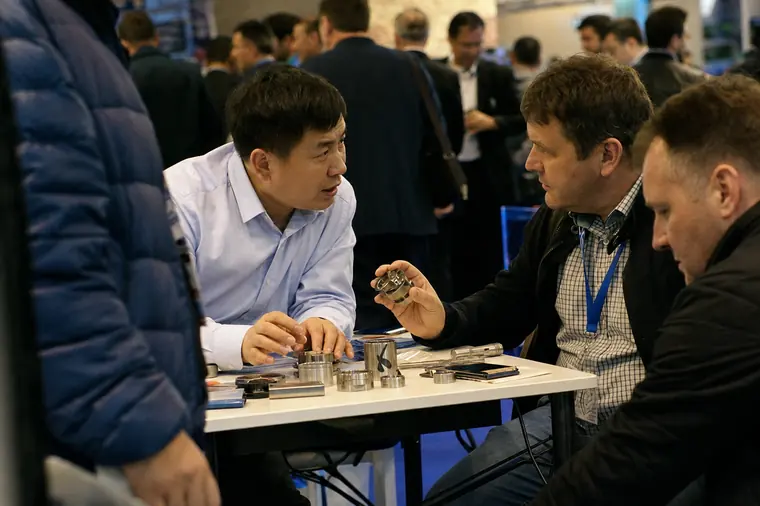
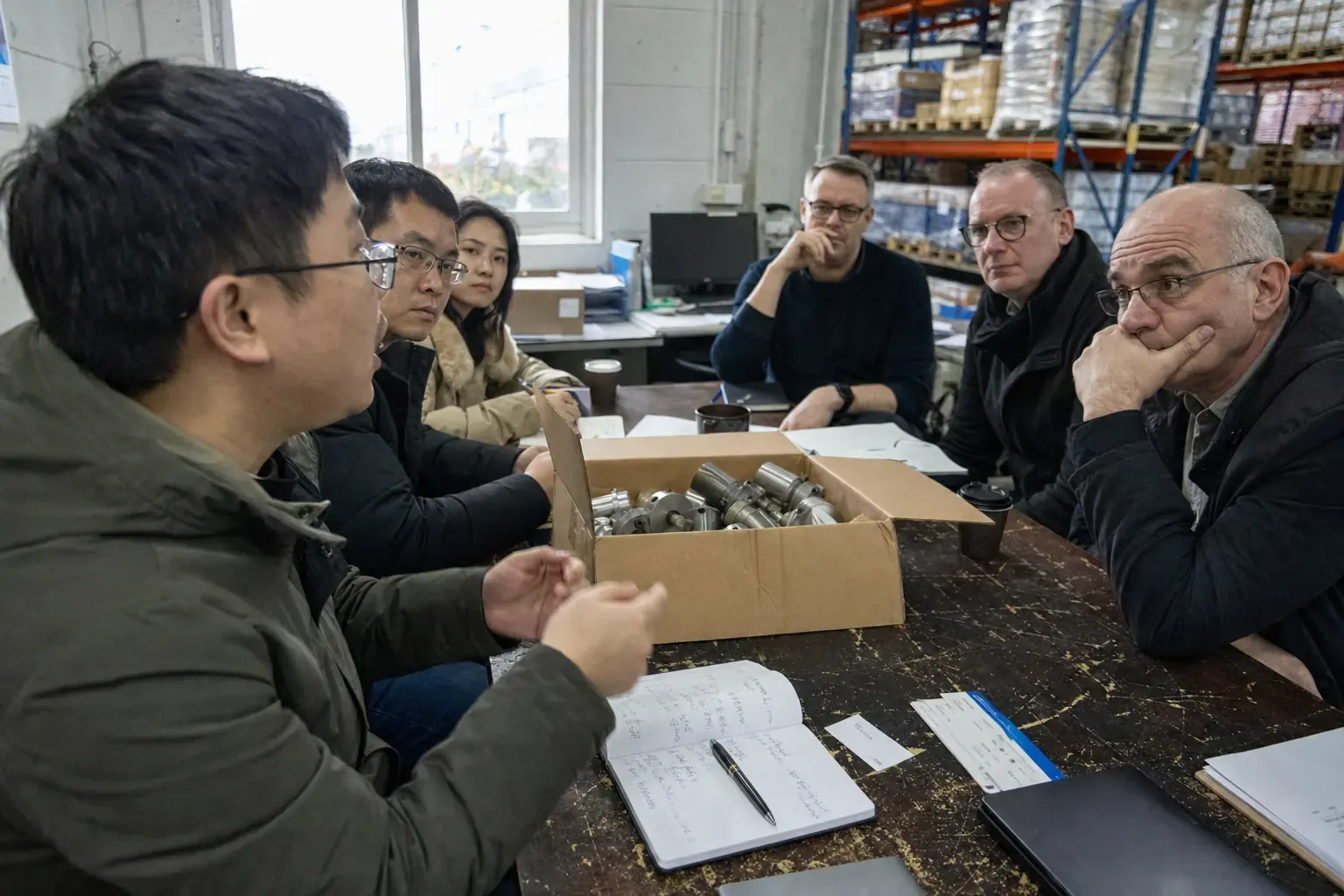
One of our people is in the room or on the call, translating meaning as well as words.
The debrief
What they said, what they meant, and what would have to change for them to say yes.
How a round runs
Meetings booked, attended, and written up.
We report every week: who was approached, who replied, what was said. You always know where the round stands.
Prepare
Approved shortlist, approved pitch, and the answers to the questions we know are coming.
Approach
Contact in their language, by name, with a follow-up sequence rather than one email.
Meet
We attend with you, in their time zone, and we take the notes.
Report
A written debrief per meeting, and a weekly summary of the round as a whole.
The distributor was polite in the meeting and said they would review it. In the follow-up call, in Italian, they told us exactly which competitor was ten percent under us.
Questions
Answered plainly.
Not covered here?
Ask it on the call. If the honest answer is that this module is not what you need, we will say so and point you at the one that is.
Book a callWe agree a target number of qualified conversations up front, and we report against it weekly. We do not promise that a given company will meet you, because we do not control their diary.
We strongly recommend it. Buyers and distributors want to meet the manufacturer. We are there to open the door and interpret, not to replace you.
Theirs, wherever we can. That is the point. We interpret so your team follows everything and can answer technical questions directly.
Then you have learned something important, with the reasons, in weeks rather than years. We would rather report that honestly than keep a round running.
Also in distributor recruitment
The rest of the work.
The first move
Ready to be in the room?
Tell us who you want to meet and what you sell. We will tell you how we would approach them and what a round looks like.