




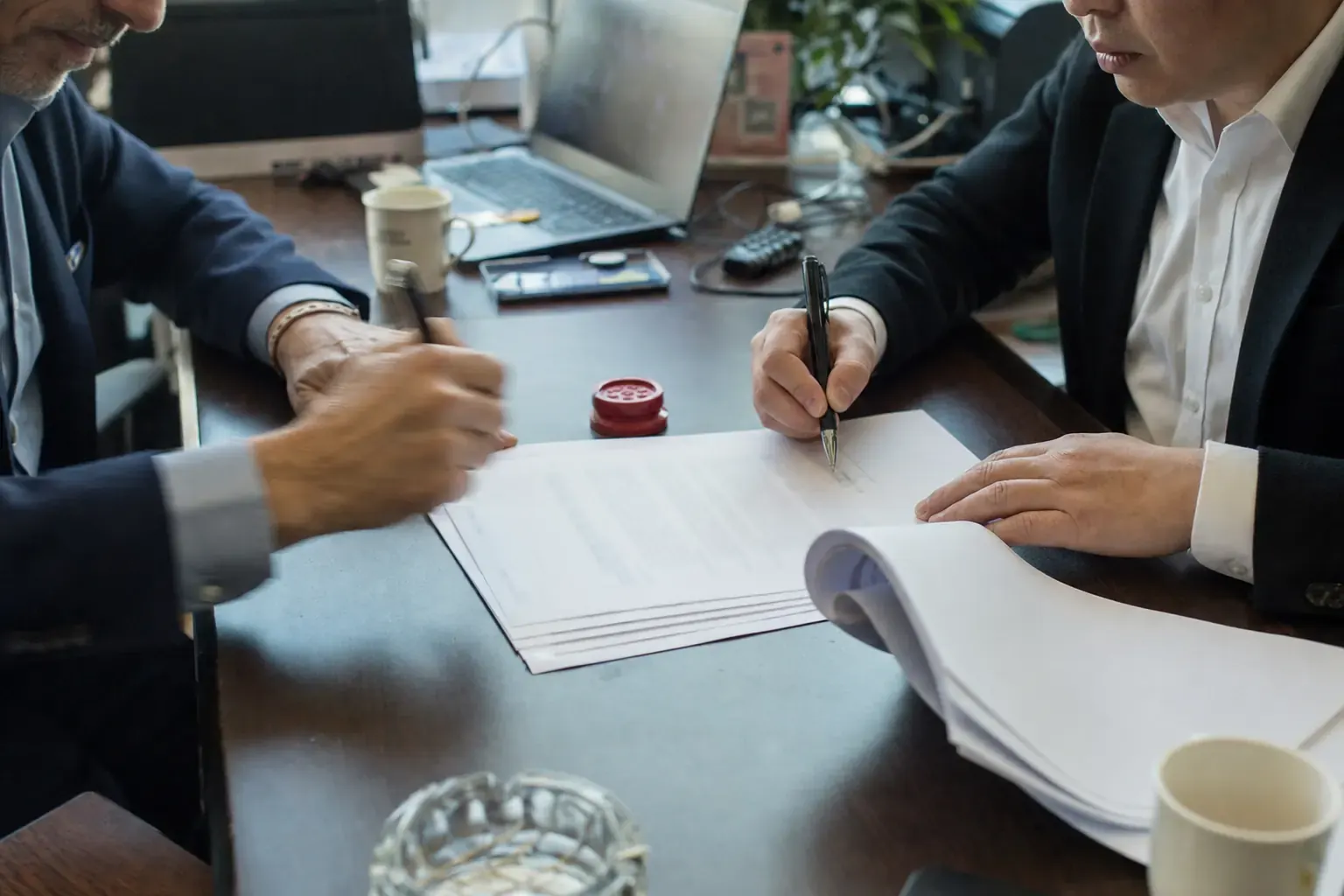
Terms you can live with for the next five years.
The moment a distributor says yes is the moment you have the least bargaining power and the most optimism. Exclusivity granted too easily, with no volume attached and no way out, is the single most expensive mistake in the channel.
- Position
- Draft
- Negotiate
- Local check
Where good intentions become an agreement.
Part of distributor recruitment
The problem
The wrong agreement locks you out of your own market.
A distribution contract is easy to sign and very hard to undo. Most of the pain comes from three or four clauses that looked harmless.
Exclusivity for nothing
You grant a whole country, they commit to no volume, and you cannot sell there for three years while they do very little.
No exit
Performance drops and there is no mechanism to take the territory back without a legal fight in their courts.
Price with no floor
They discount to win a tender, the market price collapses, and your brand sits below where you positioned it.
The honest part
This is where local law and local habit decide everything.
Distribution and agency law differs sharply by country, and some protections cannot be signed away. This is not a place for a translated template.
- Several European countries give agents compensation rights on termination
- Exclusivity that would be normal in one market is a competition problem in another
- Which courts and which law govern the contract changes what it is worth
- A term that is standard in China may simply be unenforceable there
What we do
We shape the commercial terms, your lawyer signs them off.
We are not your law firm and we will not pretend to be. We get the commercial structure right and flag what needs a local lawyer before you sign.
Territory and exclusivity
What they get, how much of it, and what they must do to keep it.
Volume and review
Minimums that mean something, and a scheduled point where the arrangement is looked at again.
Pricing and positioning
Transfer price, discount limits, and what protects your position in the market.
Exit
What happens on underperformance, on a breach, and at the natural end. Agreed while everyone is still friendly.
How a round runs
From handshake to signature, without losing the deal.
The aim is a document a serious distributor is willing to sign, that still protects you if they turn out not to be serious.
Position
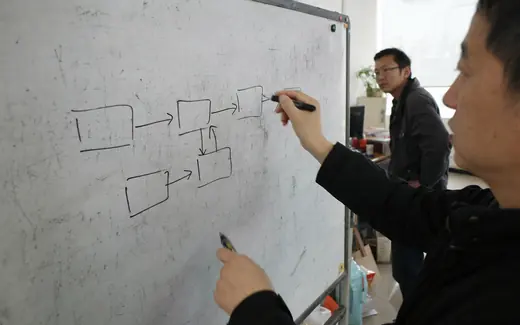
What you must have, what you would like, and what you can trade. Agreed with you before negotiation.
Draft
Commercial terms set out plainly, in a form their side can review quickly.
Negotiate
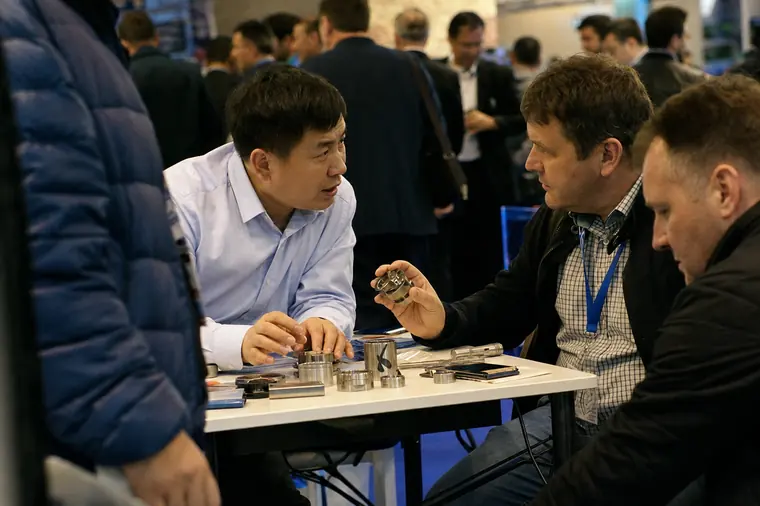
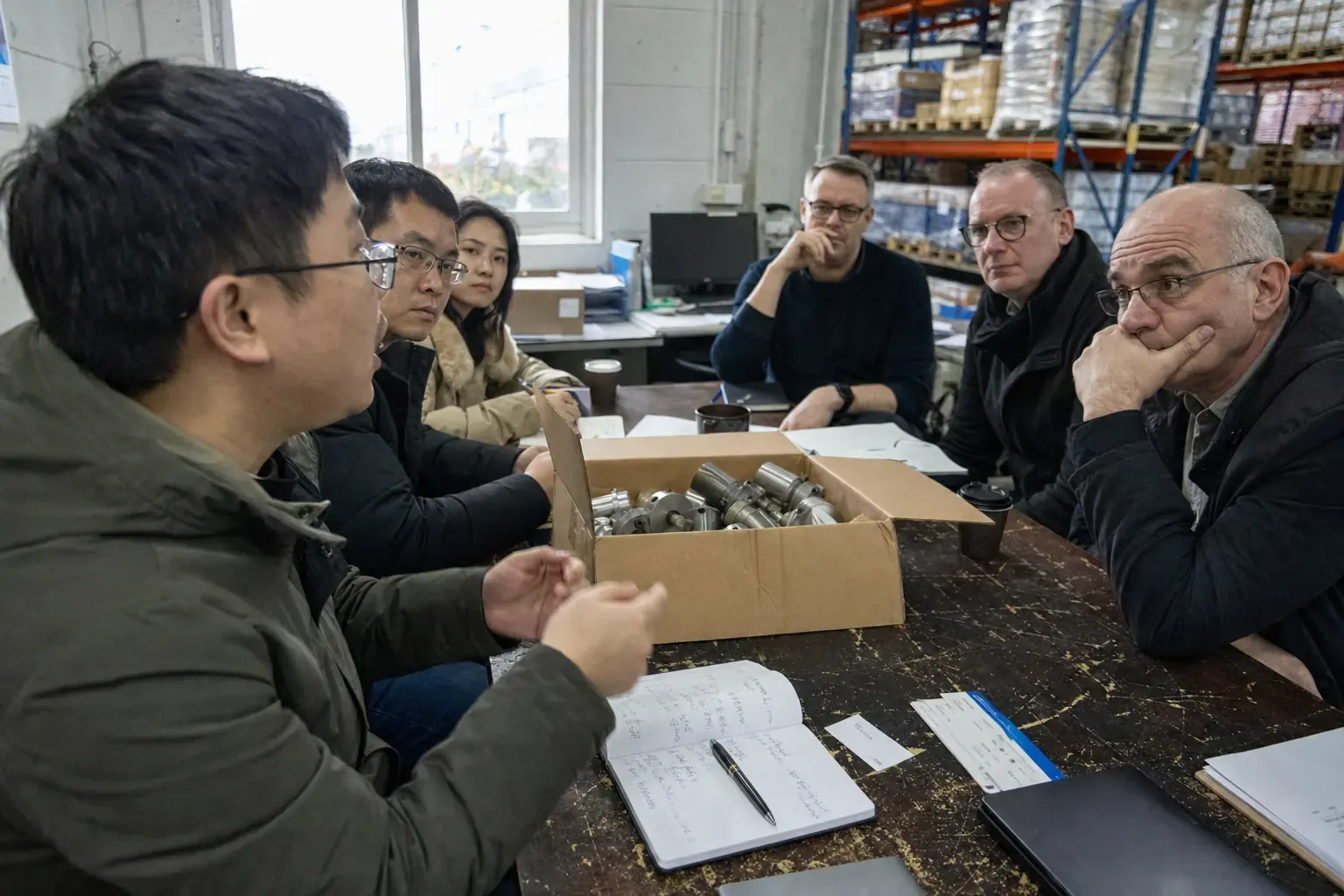
We sit on your side of the table, in their language, and tell you when a demand is normal and when it is not.
Local check
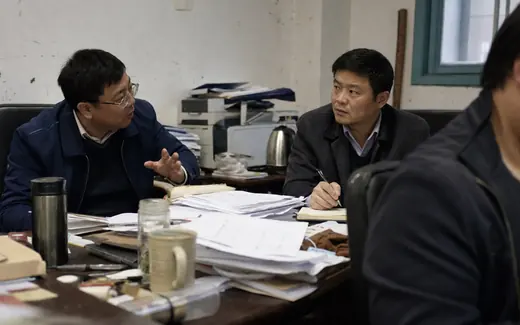
Their national law reviewed by a local lawyer before anyone signs.
Exclusivity was granted for the whole country with no minimum volume. Three years later the brand had sold almost nothing there and could not appoint anyone else.
Questions
Answered plainly.
Not covered here?
Ask it on the call. If the honest answer is that this module is not what you need, we will say so and point you at the one that is.
Book a callNo. We shape the commercial terms and tell you where local law needs a qualified local opinion. We work alongside your lawyer, we do not replace them.
Sometimes, and it can be the right trade. The rule is simple: exclusivity is something they earn with volume, never something they get for signing.
Then you learn what they actually intend to do with the line. A distributor unwilling to commit to any volume is telling you something useful.
Yes. We often get asked to look at an existing agreement that has stopped working, and to advise on what can realistically be changed.
Also in distributor recruitment
The rest of the work.


The first move
About to sign something?
Send us the terms on the table. We will tell you what we would push back on and what needs a local lawyer.