



Inside ten days, or it is cold.
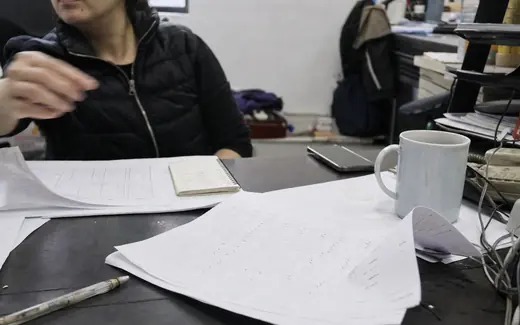
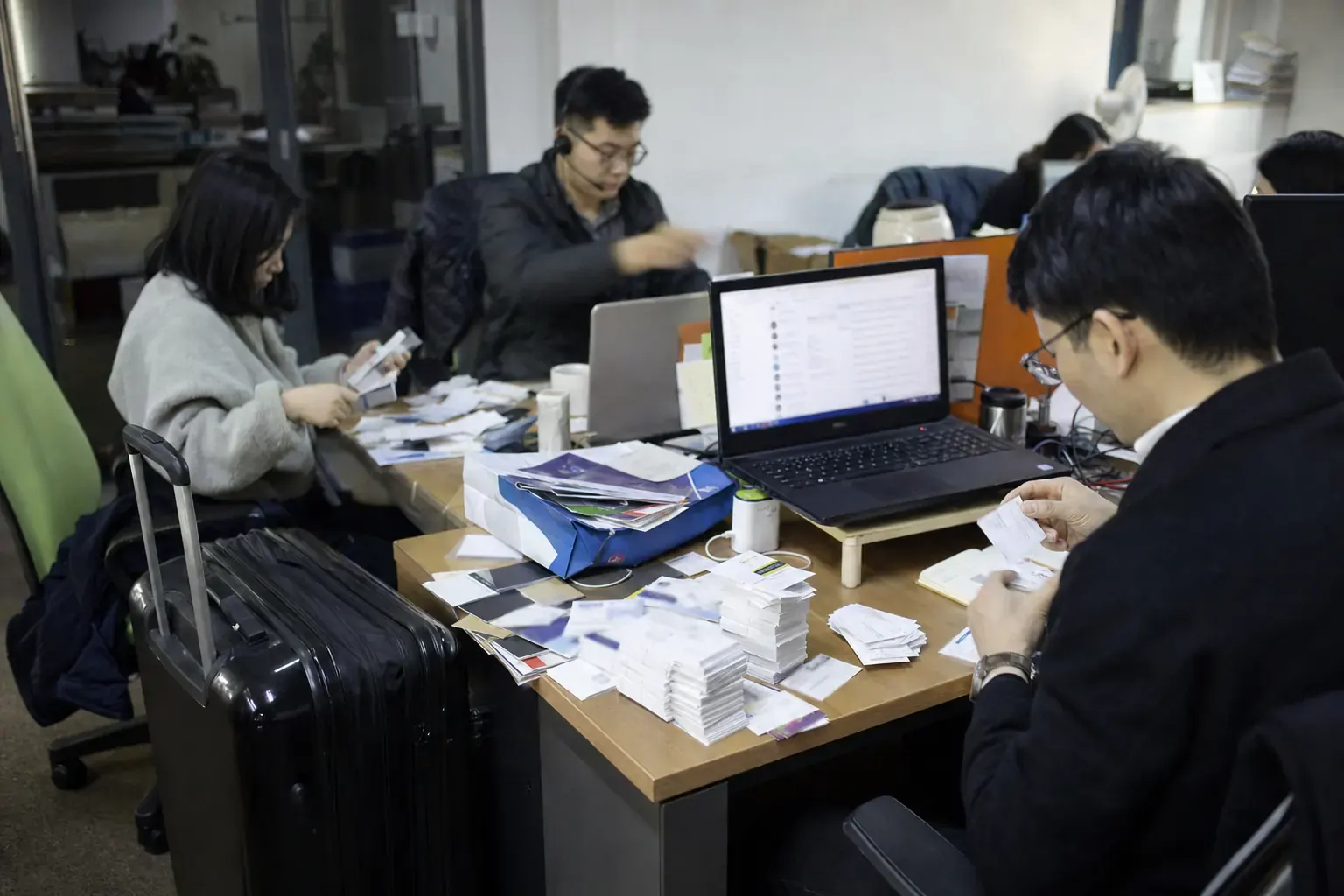
You spend months and a large budget getting in front of buyers, come home with a stack of cards, and then the team returns to its normal work. Three weeks later someone sends a generic English email. By then the buyer has met forty companies and remembers none of them.
- Sort
- Reach out
- Deliver
- Report
The cheapest part of the show, and the one most often skipped.
Part of trade shows
The problem
The show does not fail on the floor. It fails in the fortnight afterwards.
Everything you paid for is sitting in that stack of cards, and it loses value every day nobody touches it.
The stack in a drawer
Nobody owns the follow-up, everyone is catching up on the work they missed, and the cards go quiet.
The generic email
A templated message in English, weeks late, with no reference to what was actually discussed.
No memory of the conversation
The person following up was not there, so the message says nothing specific and reads as a mass mailing.
The honest part
A follow-up only works if it sounds like the conversation continuing.
The buyer remembers a discussion, not a company. A message that recalls what was said gets a reply. A generic one does not.
- Buyers meet dozens of exhibitors and forget most of them within a week
- A follow-up in their language from a name they met is a different message entirely
- Whoever follows up has to know what was promised on the stand
- The first company to respond usefully is the one that gets the next meeting
What we do
Every contact followed up properly, and ranked.
We work from the notes taken on the stand, so each message refers to the actual conversation and delivers whatever was promised.
Rank
Serious prospects, worth keeping warm, and not worth pursuing. Sorted before anyone writes anything.
Personal follow-up
In their language, referring to what was discussed, from someone who was there.
Deliver what was promised
The price, the sample, the specification. Sent when you said it would be, which by itself sets you apart.
Hand over
Warm contacts passed to your team or into the pipeline, with the history attached.
How a round runs
Starting the day the show closes.
The clock starts immediately, and the work is largely done within two weeks while you still exist in the buyer memory.
Sort
Every contact ranked from the stand notes within days of closing.
Reach out
Personal messages and calls in their language, top of the list first.
Deliver
Quotes, samples and specifications sent when promised, chased when they are not answered.
Report
Who replied, who is worth a meeting, and what the show actually produced.
We came back with a hundred and forty cards. Nobody had time to call them. Four months later we had contacted maybe twenty.
Questions
Answered plainly.
Not covered here?
Ask it on the call. If the honest answer is that this module is not what you need, we will say so and point you at the one that is.
Book a callBecause buyer memory of a show fades fast, and because the first useful response tends to win the next meeting. Beyond two weeks the reply rate falls off sharply.
Yes, though it works less well. If your team took decent notes we can work from those. If the cards have no context, the messages can only be generic.
They go to your team, or into a pipeline you can see. If you want them worked properly over months rather than weeks, that is the external sales force.
We report to you in Chinese and English. The outreach itself is in the buyer language, which is the point.
Also in trade shows
The rest of the work.


The first move
Still sitting on last show cards?
Tell us when the show was and how many contacts you have. We will tell you honestly what is still worth working.