







See your overseas pipeline from your own desk.
Leads arrive from your website, the shows, LinkedIn and your reps, and they land in four different inboxes and a spreadsheet. Nobody can say what is actually in play this month, so nobody can manage it.
- Map
- Build
- Load
- Run
One pipeline, visible from both sides.
Part of sales force
The problem
You cannot manage a pipeline you cannot see.
Without one place where every opportunity lives, the reporting is guesswork and the follow-up depends on who remembered.
Leads in inboxes
An enquiry sits in one person mailbox. They are travelling. Nobody else knows it exists.
No shared history
A buyer asks about a quote from four months ago and nobody can find what was sent.
Reporting by feeling
The monthly number comes from whoever sounds most confident, not from anything you can check.
The honest part
Most exporter CRM projects fail for the same two reasons.
The system is built for a Western sales team, and nobody in China can use it in their own language. So it gets filled in for a month and abandoned.
- A pipeline nobody updates is worse than a spreadsheet, because you trust it
- Your team in China and your reps in market need the same view in different languages
- Tools that are blocked or slow from the mainland do not get used
- Process has to fit how deals actually run, not how a template says they should
What we do
A pipeline your team will actually keep up to date.
We set up the stages, connect the sources, and run the reporting. Simple enough that it survives contact with a busy sales team.
Stages that match your deals
From first enquiry to sample to quote to order, named the way your business already talks about them.
Every source connected
Website enquiries, show contacts, LinkedIn, and rep activity landing in one place automatically.
Both languages
Usable by your team in China and your reps in market, without either side working in a second language.
Weekly reporting
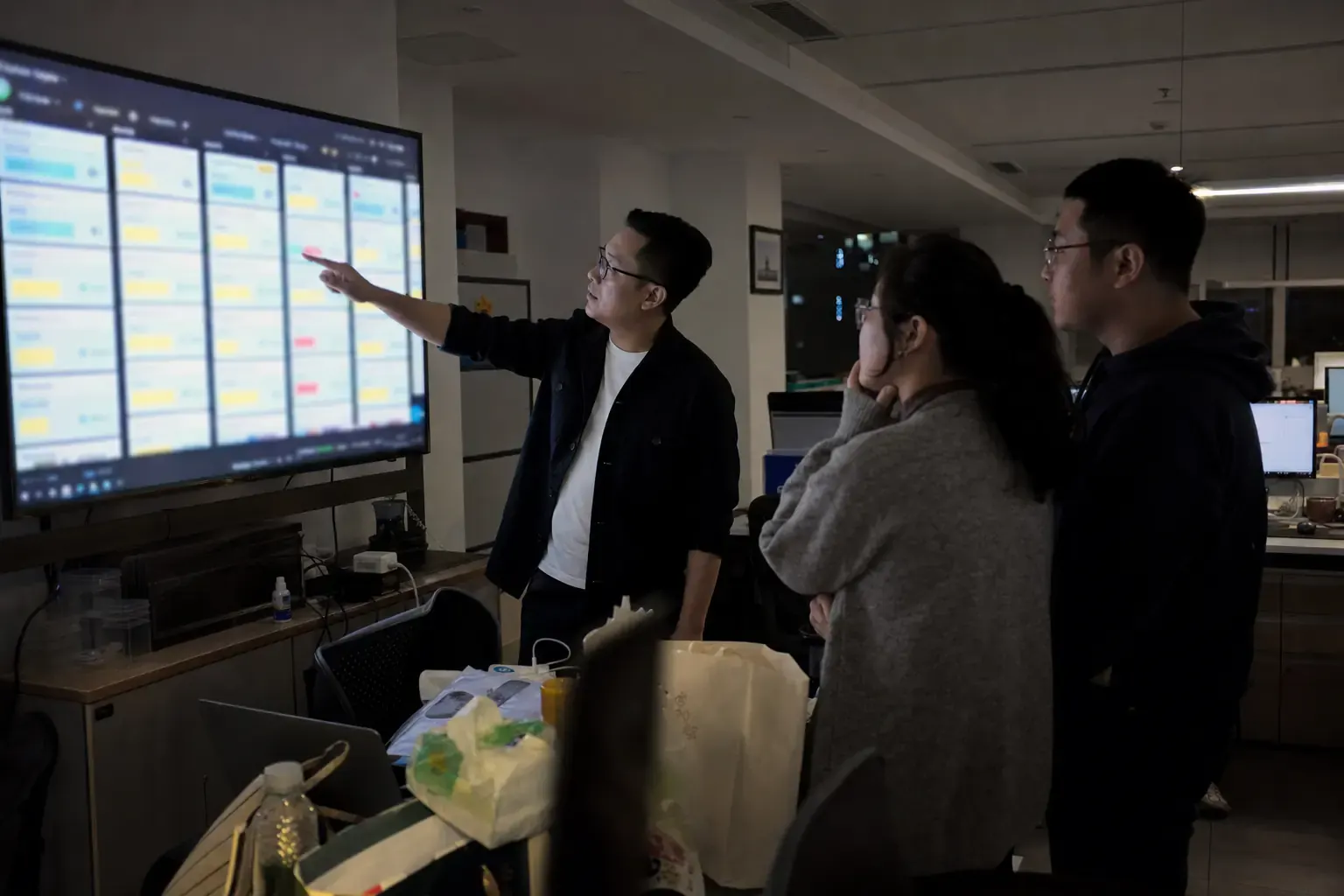
What moved, what stalled, and what needs a decision. A page you can take to your board.
How a round runs
Set up in weeks, then run every week.
The setup is the easy part. The value comes from someone keeping it honest and reporting from it every week.
Map
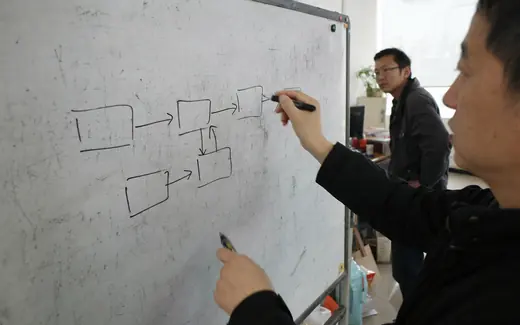
How a deal actually moves through your business today, including the parts that live in someone head.
Build
Stages, fields and sources configured, with access checked from inside China.
Load
Existing leads and history brought in, so the pipeline is real on day one.
Run
Weekly reporting and pipeline hygiene, so the data stays worth looking at.
We had three years of enquiries in an email folder. The first time we put them in one place, we found eleven live opportunities nobody was working.

Questions
Answered plainly.
Not covered here?
Ask it on the call. If the honest answer is that this module is not what you need, we will say so and point you at the one that is.
Book a callNot necessarily a new one. If you already have a system that works, we would rather use it properly than sell you another. What matters is that everything lands in one place.
It has to, and we check that before we commit to a tool. A system your head office cannot open is not a system.
No. It is a module under the sales force because that is where it fits, but plenty of companies want the pipeline without the reps.
We do, for the activity we run, and we chase the rest. A pipeline that depends on everyone volunteering updates does not stay accurate.
Also in sales force
The rest of the work.

The first move
Where are your leads right now?
Tell us how enquiries reach you today and where they are stored. We will tell you what it would take to see them in one place.