Temu Lost the US Overnight. Now What?
One tariff ended Temu's lowest-price run in the US almost overnight. The lesson for Chinese exporters is not warehouses. It is who owns the buyer.
On this page
For two years, Temu looked unstoppable in the West. Cheap goods, shipped straight from China, landing on American doorsteps for less than anyone thought possible. Then one rule changed in 2025, and the whole model cracked.
If the biggest low-price exporter in the world can lose the US market in a matter of weeks, every Chinese company selling overseas should stop and ask a harder question. Not "how do we ship cheaper." But "who actually owns our buyer."
Quick recap of what happened. In 2025 the US ended its de minimis rule. That rule had let low-value packages from China enter the country duty-free. When it ended, parcels shipped direct to US consumers got hit with a heavy tariff. The math that made Temu work stopped working.
The numbers tell the story plainly.
Temu's fully managed model, shipping direct from China, fell from about 70% of its business in 2024 to under 30% by mid-2025. Direct parcels now face a 54% US tariff. The US share of global sales dropped below 35%, while Europe grew 80% to 100% and became the largest market.
Read that again. As of late 2025, the company did not get outsold on product. It got outsold on structure. The rules moved, and a business built on one advantage had nowhere to stand.
The shift, side by side, for any company selling out of China:
| The old way | The new reality |
|---|---|
| Win on lowest price | Price alone no longer protects you |
| Ship direct from China | Local presence decides who competes |
| Let the platform own the buyer | The buyer relationship is the asset |
| Volume through a marketplace | Direct demand you actually control |
Price was never the moat
It felt like a moat. For years, a lower number on the listing was enough to win the click and the order. That worked because a policy gap made it work, not because low price is a lasting position.
The moment the gap closed, the advantage was gone. Everyone selling into the US felt the same squeeze at once. Nobody was protected for being cheapest, because cheapest was the exact thing under attack.
Think about what that means for your own company. If your whole pitch to a Western buyer is "we cost less," you are one tariff away from losing everything. You do not control that advantage. US trade policy does, and it can move against you overnight.
What Temu did next
Temu did not panic. If anything it did the opposite, moving the whole business closer to the customer.
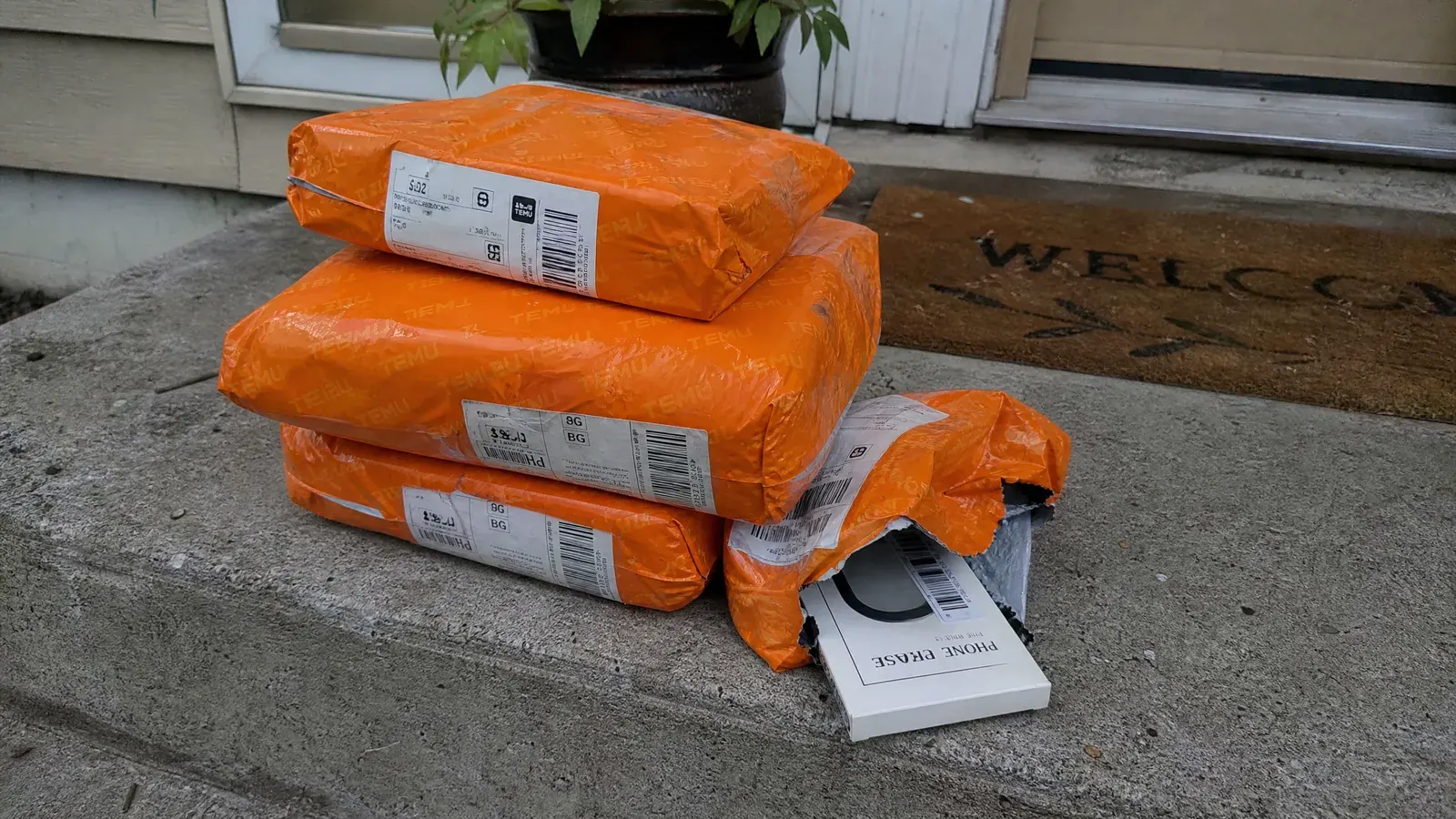
Goods went into local warehouses. Sellers were pushed toward models where the inventory already sits inside the market. Nearly a thousand staff were sent overseas to handle merchants, compliance, and local operations. The direction was obvious. Get physically closer to the buyer, and stop leaning on one long shipping route from China.
That is a plan only a company with huge scale can run at speed. Temu can afford warehouses on two continents. Most Chinese exporters cannot, and they do not need to. The idea still scales down, and it matters for any company selling out of China today.
Who owns the buyer
Set Temu’s scale aside for a second, because this next part is the piece that applies to you no matter how big you are.
Selling through a big platform gives you volume. Whether that platform is Temu for consumers or Alibaba (阿里巴巴) for wholesale, it also gives you a ceiling. The platform owns the buyer. You get the order, but you never get the buyer behind it. When the platform changes its terms, or a policy shifts, or a cheaper factory turns up in the same search, you have no direct line to the customer.
An OEM order through a marketplace is a transaction. A buyer in Germany who knows your company, trusts your quality, and calls you first is something else. That is an asset. A rule change can erase the transaction. It cannot erase the relationship.
That difference is easy to miss until the day it matters.
Western buyers who move real volume are the distributors and resellers. They do not find suppliers the way a shopper grabs a phone case. They research first. They check who shows up as credible online. Then they want to talk to a real person before they sign anything. Many of them have been burned by a cheap supplier before, and it shows in how carefully they vet the next one.
That last step is the one most Chinese exporters miss. They learned to compete on price inside a platform. They never learned to build a presence in front of a buyer. So when the price advantage goes, they have nothing left to stand on.
Presence is what survives a policy change. It means a clear position in the buyer’s market. It means content a Western buyer actually trusts. Most of all, it means a named person in their region who can pick up the phone and close the deal. In our experience this is what decides deals: a real salesperson in the market, not just a listing on a platform. Price might get you a first look. Keeping that buyer comes down to something else, knowing there is a real person on the other end who answers.
What this means for your next move
You do not need Temu’s warehouses. What you need is the lesson Temu paid for the hard way, so it doesn’t cost you the same.
Stop building your overseas plan on being the cheapest. That position is borrowed, and the lender can call it back anytime. Build on what you actually own instead: your position in the buyer’s mind, your credibility in the places Western buyers actually look, and a direct line to the people who sign the orders.
That is the whole difference between chasing orders and building a real business overseas. Chasing orders leaves you exposed to the next rule change. Relationships you hold yourself are yours to keep.
Build what a tariff can’t take away
We grow Chinese companies overseas by building the presence and the in-market sales force that price alone can never replace.
Book a call.
Be the answer
Want to be in that answer when your buyer asks?
One team, from brand to a named rep who answers the call, building the proof AI repeats and buyers trust.